
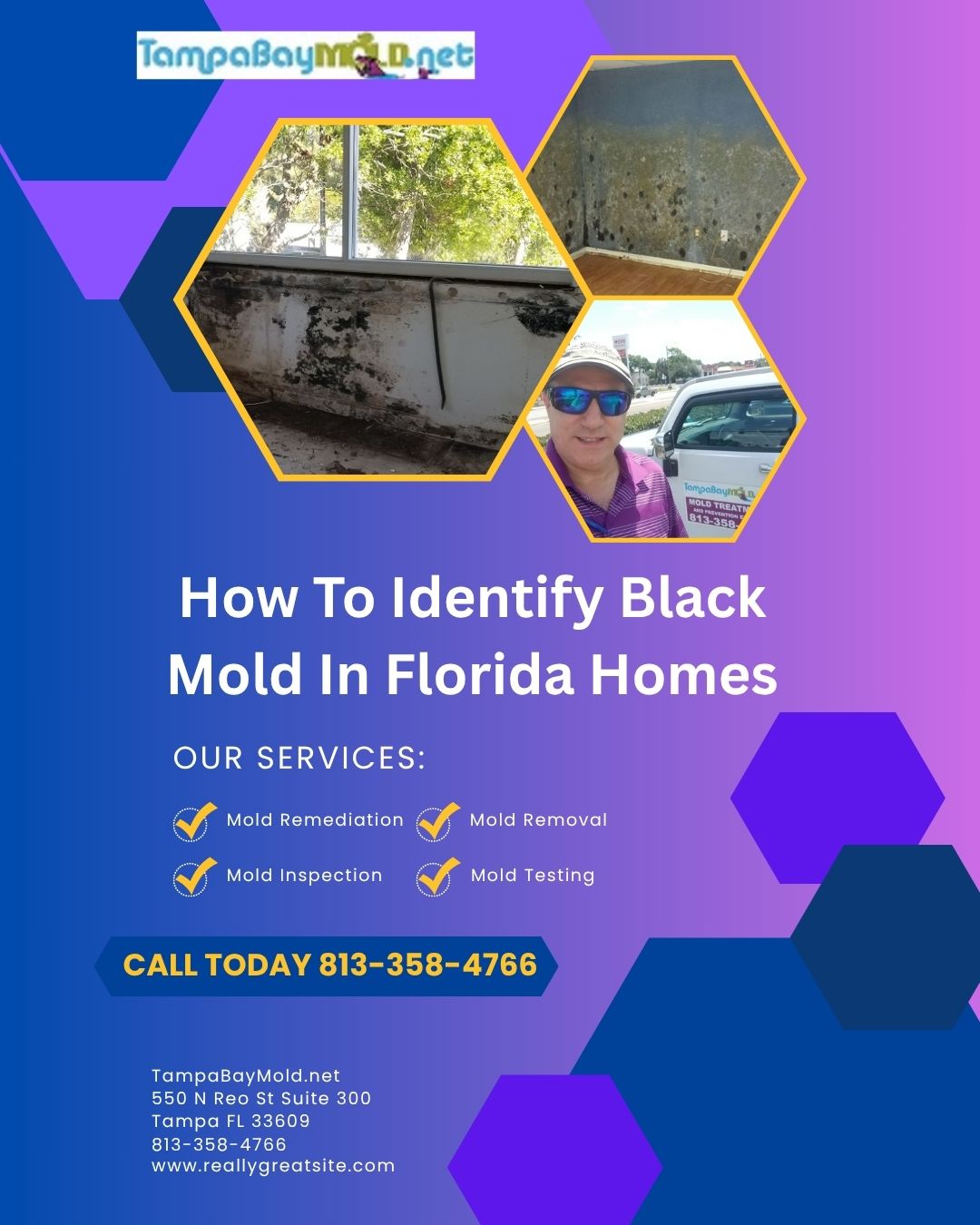
How To Identify Black Mold In Florida Homes?
Black Mold Identification In Florida Homes
Black mold, scientifically known as Stachybotrys chartarum, is a pervasive concern in Florida homes due to the state’s humid and warm climate. Recognizing and addressing black mold early is crucial to maintaining a healthy living environment and preventing potential health issues. This guide provides comprehensive insights into identifying black mold in Florida homes, understanding its risks, and taking effective measures to eliminate it.
Understanding Black Mold
Black mold thrives in environments with high moisture levels, making Florida’s climate particularly conducive to its growth. Unlike other molds, black mold produces mycotoxins, which can lead to serious health problems upon prolonged exposure. It’s essential to differentiate black mold from other mold types to ensure proper handling and remediation.
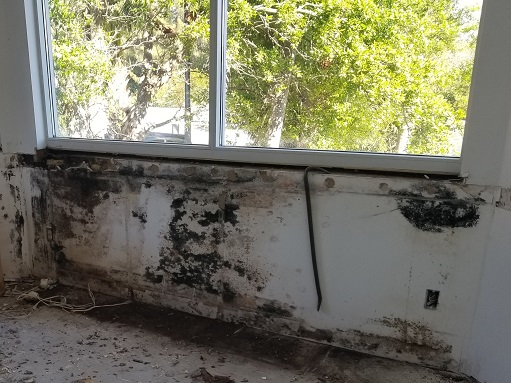
Common Areas Where Black Mold Appears
In Florida homes, black mold commonly inhabits areas that are prone to moisture accumulation. Being aware of these hotspots can facilitate early detection and intervention.
- Bathrooms: High humidity and frequent water usage create ideal conditions for mold growth on tiles, grout, and ceilings.
- Kitchens: Leaky pipes, especially under sinks, and persistent condensation can lead to mold development.
- Basements and Crawl Spaces: Poor ventilation and moisture seepage from the ground make these areas susceptible.
- Attics: Inadequate insulation and roof leaks contribute to damp conditions favorable for mold.
- HVAC Systems: Air conditioners can accumulate moisture, fostering mold within ducts and vents.
Signs and Symptoms of Black Mold
Identifying black mold involves observing both visual cues and understanding the associated health symptoms. Early detection can prevent extensive damage and health complications.
Visual Indicators
- Discoloration: Black or dark green patches on surfaces such as walls, ceilings, or floors.
- Texture Changes: Surfaces may appear slimy or have a fuzzy texture where mold is present.
- Musty Odor: A persistent earthy or damp smell often accompanies mold growth.
Health Symptoms
Prolonged exposure to black mold can lead to various health issues, especially in sensitive individuals.
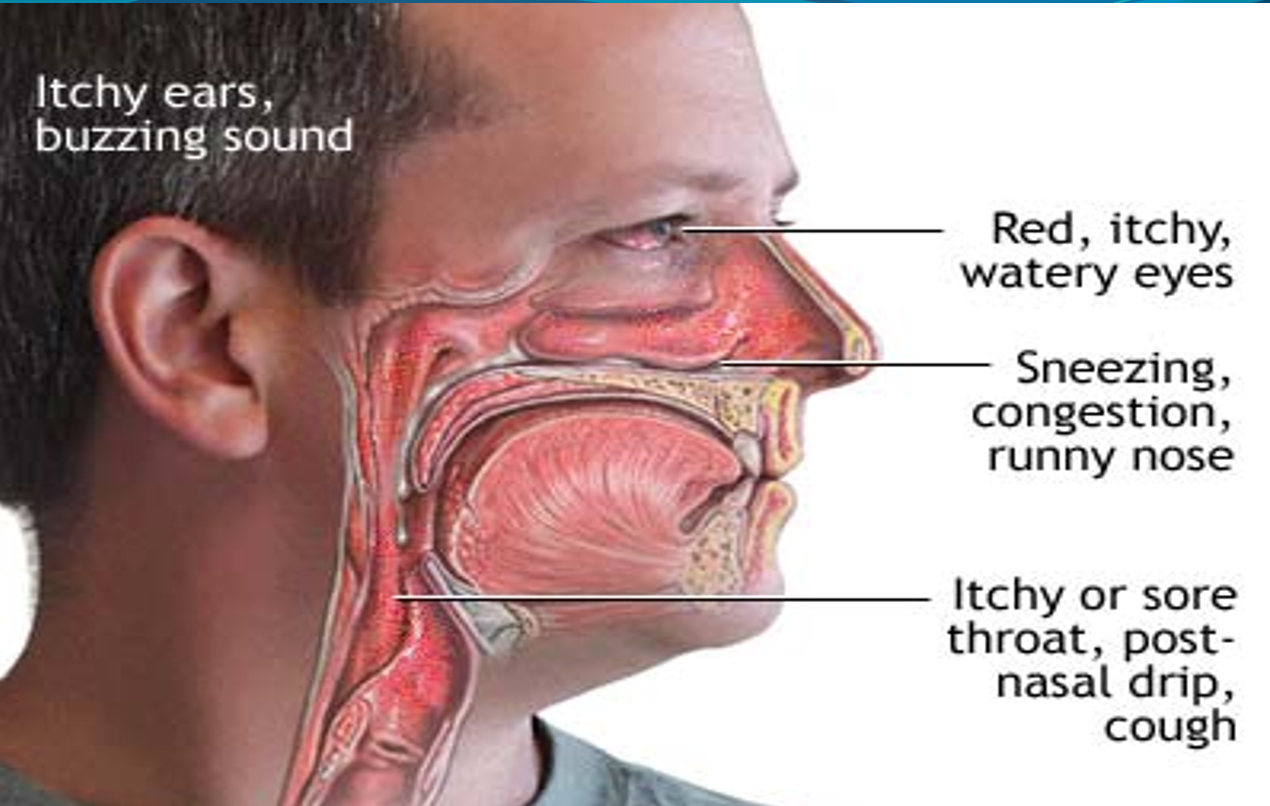
- Respiratory Problems: Chronic coughing, sneezing, and difficulty breathing.
- Allergic Reactions: Skin rashes, itchy eyes, and sinus congestion.
- Neurological Issues: Headaches, dizziness, and fatigue.
- Immune System Suppression: Increased susceptibility to infections.
Causes of Black Mold Growth in Florida Homes
Understanding the underlying causes of black mold can aid in both prevention and remediation efforts.
- High Humidity Levels: Florida’s tropical climate ensures consistently high humidity, promoting mold proliferation.
- Water Intrusion: Leaks from roofs, windows, or plumbing systems introduce moisture into indoor environments.
- Poor Ventilation: Inadequate airflow traps moisture, creating stagnant conditions conducive to mold growth.
- Flooding and Water Damage: Recent flooding incidents can leave surfaces moist, providing a breeding ground for mold.
Preventative Measures to Control Moisture
Preventing mold growth centers around controlling moisture levels within the home. Implementing proactive strategies can significantly reduce the risk of black mold proliferation.
- Use Dehumidifiers: Maintain indoor humidity below 50% to inhibit mold growth.
- Ensure Proper Ventilation: Install exhaust fans in bathrooms and kitchens to expel moisture-laden air.
- Fix Leaks Promptly: Address any signs of water intrusion immediately to prevent prolonged dampness.
- Insulate Pipes: Proper insulation reduces condensation and moisture accumulation around plumbing systems.
- Regular Maintenance: Periodically inspect areas prone to moisture, such as basements and attics, for signs of dampness or leaks.
Identifying Black Mold: Step-by-Step Guide
When suspecting black mold, a systematic approach ensures accurate identification and effective remediation.
- Visual Inspection: Search for dark patches or unusual discoloration in areas susceptible to moisture.
- Smell Test: Detect any musty or damp odors that could indicate hidden mold growth.
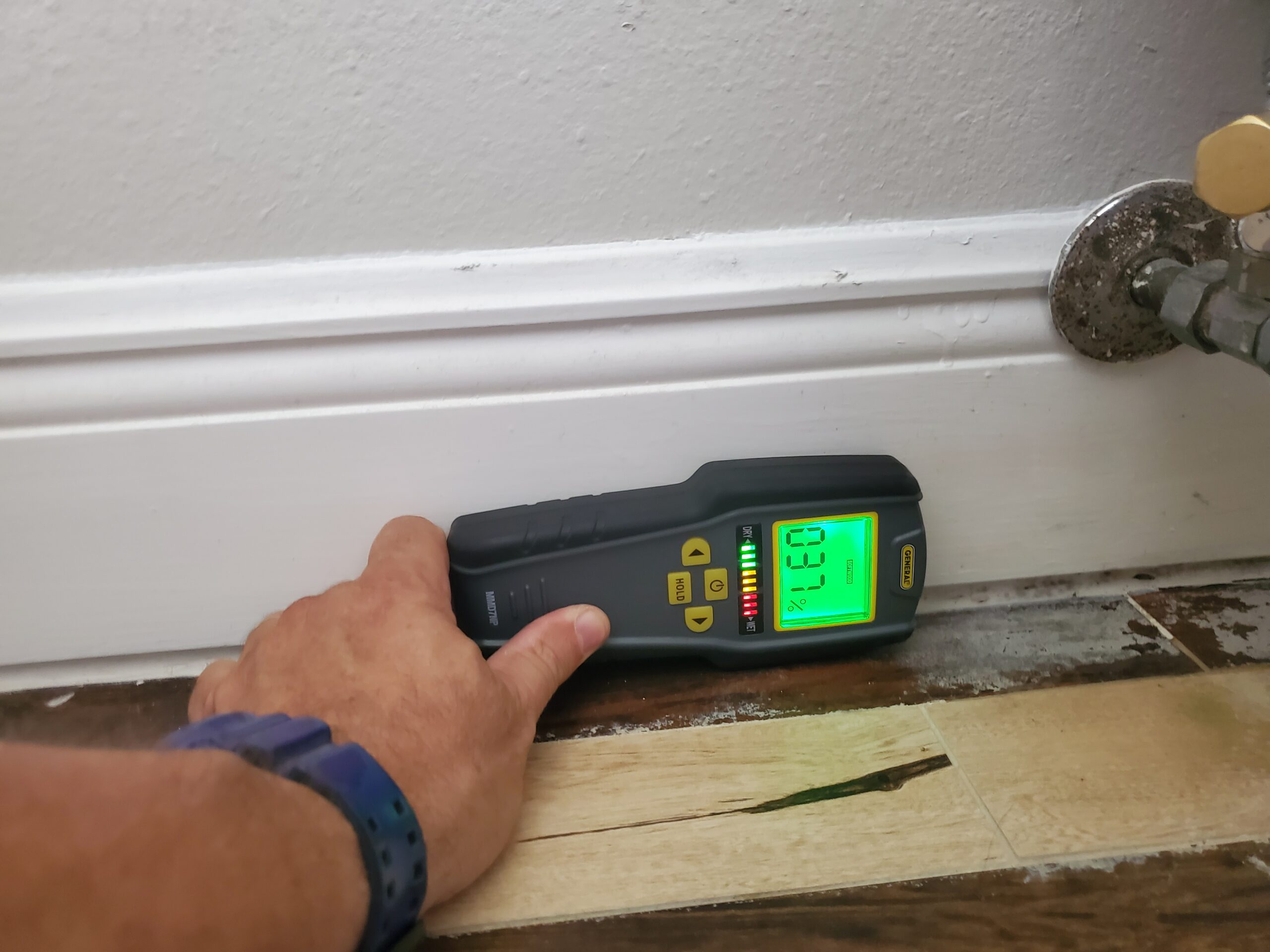
- Moisture Assessment: Use moisture meters to identify areas with elevated moisture levels.
- Professional Testing: Engage certified mold inspectors to perform thorough assessments and air quality tests.
Health Implications of Black Mold Exposure
Exposure to black mold can have severe health repercussions, particularly for vulnerable populations such as children, the elderly, and individuals with compromised immune systems.
- Acute Reactions: Symptoms like sneezing, skin irritation, and red eyes can develop rapidly upon exposure.
- Chronic Health Issues: Prolonged exposure may lead to persistent cough, asthma attacks, and long-term respiratory difficulties.
- Toxic Effects: Mycotoxins released by black mold can impact the nervous system, leading to cognitive impairments and other serious health conditions.
Remediation Strategies for Black Mold
Addressing black mold involves removing the existing mold and implementing measures to prevent its return. Professional assistance is often recommended due to the hazardous nature of mold remediation.
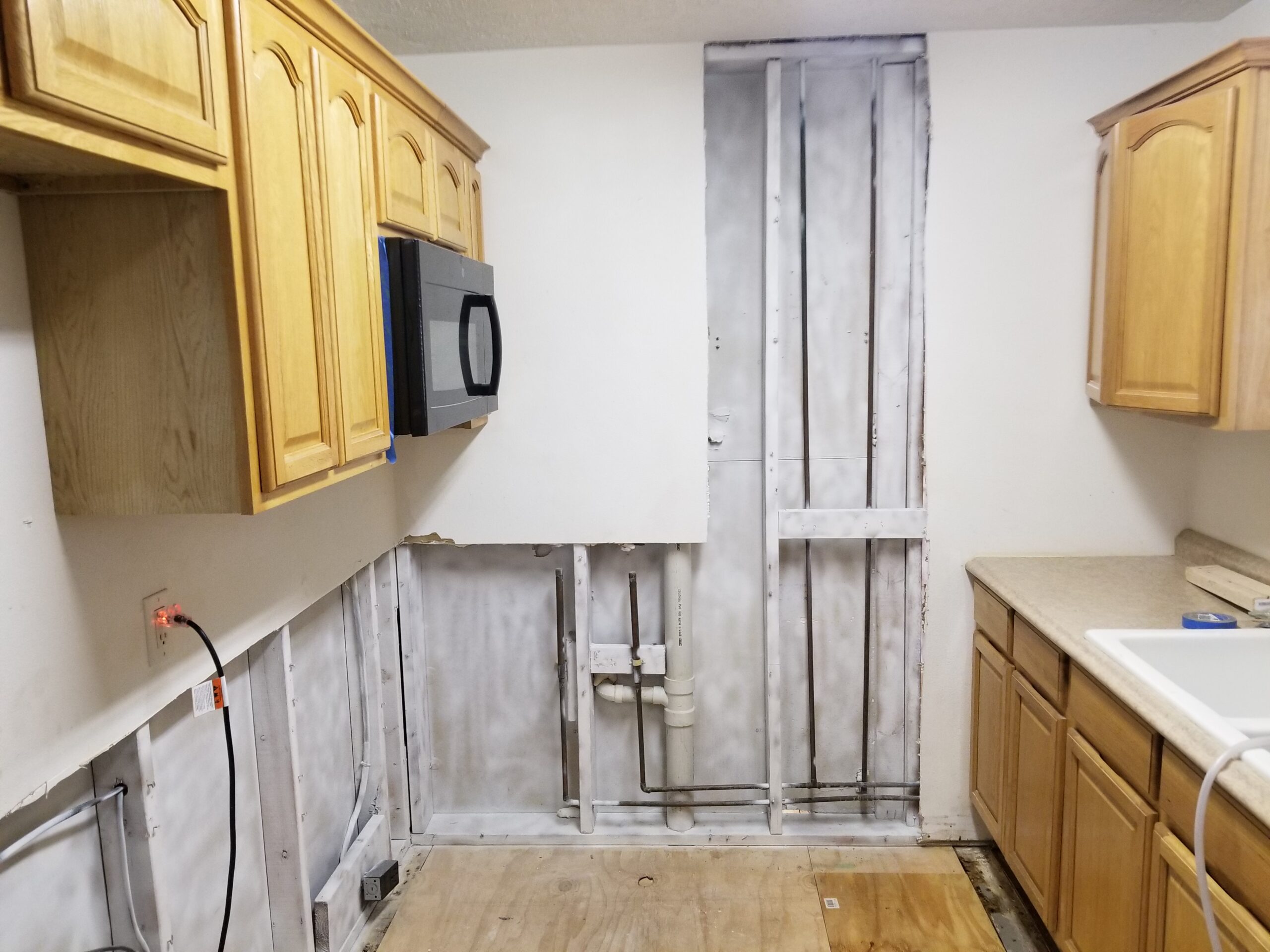
- Containment: Seal off affected areas to prevent mold spores from spreading during cleanup.
- Removal of Contaminated Materials: Discard porous materials like drywall, insulation, and carpeting that harbor mold.
- Cleaning Non-Porous Surfaces: Use appropriate cleaning agents and protective gear to scrub mold from surfaces.
- Drying and Dehumidifying: Ensure the area is thoroughly dried to eliminate residual moisture.
- HEPA Filtration: Utilize High-Efficiency Particulate Air (HEPA) filters to capture mold spores from the air.
DIY vs. Professional Mold Remediation
While small mold infestations can sometimes be managed independently, larger or more severe cases necessitate professional intervention to ensure complete and safe removal.
- DIY Remediation: Suitable for minor mold growth on non-porous surfaces. Requires protective equipment and proper cleaning agents.
- Professional Remediation: Recommended for extensive mold growth, especially in hidden or hard-to-reach areas. Professionals possess the expertise and tools to safely remove mold and address underlying issues.
Costs Associated with Black Mold Remediation
The financial aspect of mold remediation varies based on the extent of the infestation and the remediation approach chosen.
- DIY Costs: Generally lower, involving expenses for cleaning supplies, protective gear, and possible equipment rentals.
- Professional Costs: Higher upfront but offer comprehensive services, including assessment, containment, removal, and preventive measures. Long-term savings may result from effective remediation and reduced health risks.
Legal and Insurance Considerations in Florida
Homeowners in Florida should be aware of their legal rights and insurance obligations when dealing with black mold issues.
- Insurance Coverage: Not all policies cover mold damage. It’s essential to review policy details and consult with insurers regarding specific coverage.
- Legal Rights: Tenants and homeowners have rights concerning mold-related health hazards. Legal counsel may be necessary if disputes arise with landlords or contractors.
- Disclosure Requirements: Sellers must disclose known mold issues during property transactions to comply with Florida laws.
Preventing Future Mold Growth
Long-term prevention is key to maintaining a mold-free environment. Implementing sustained practices ensures that mold does not recur.
- Regular Inspections: Conduct periodic checks for signs of moisture or mold in vulnerable areas.
- Maintain HVAC Systems: Clean and service heating and cooling systems regularly to prevent mold buildup.
- Use Mold-Resistant Products: Incorporate mold-resistant drywall, paints, and insulation during home renovations or repairs.
- Proper Landscaping: Ensure that the ground around the home slopes away to prevent water accumulation near the foundation.
When to Seek Professional Help
Recognizing when to consult professionals can save time, money, and health in the long run. Consider professional assistance in the following scenarios:
- Extensive Mold Growth: When mold covers large areas or is present in structurally significant parts of the home.
- Hidden Mold: If mold is suspected behind walls, under floors, or within HVAC systems.
- Health Concerns: When occupants experience severe or persistent health issues potentially linked to mold exposure.
- Recurrent Mold Problems: If previous remediation efforts have failed to prevent mold from returning.
[Insert CTA Button: Schedule a Professional Mold Inspection Today]
Choosing the Right Mold Remediation Service in Florida
Selecting a reputable mold remediation company is crucial for effective and safe mold removal. Consider the following factors when making your choice:
- Certification and Licensing: Ensure the company holds necessary certifications and operates legally within Florida.
- Experience and Expertise: Look for companies with a proven track record in handling black mold cases.
- Comprehensive Services: Opt for providers offering thorough assessment, remediation, and preventive solutions.
- Customer Reviews and References: Research feedback from previous clients to gauge service quality and reliability.
- Transparent Pricing: Choose companies that provide clear estimates and detailed breakdowns of costs involved.
Request a Free Mold Remediation Quote: CALL 813-358-4766
Conclusion
Identifying and addressing black mold in Florida homes is imperative for safeguarding both the structural integrity of the property and the health of its occupants. By understanding the signs, implementing preventative measures, and seeking professional assistance when necessary, homeowners can effectively manage mold-related challenges. Proactive management not only ensures a safe living environment but also preserves the value and longevity of the home.
Contact Us Today for Expert Mold Inspection and Remediation Services
Frequently Asked Questions (FAQs)
1. What differentiates black mold from other types of mold?Black mold produces mycotoxins that can cause more severe health issues compared to other mold types. It typically appears as dark green or black patches and thrives in high-moisture environments.
2. Can black mold be completely removed from my home?Yes, with proper remediation techniques, black mold can be entirely removed. It’s essential to address both the mold itself and the underlying moisture issues to prevent recurrence.
3. How quickly does black mold grow?Under optimal conditions, black mold can begin to grow within 24-48 hours of moisture exposure. Prompt action is necessary to prevent extensive growth.
4. Are there health risks associated with removing black mold myself?Yes, improper removal can exacerbate mold dispersion and increase exposure to harmful spores. It’s advisable to use protective gear or hire professionals experienced in mold remediation.
5. How can I prevent black mold from returning after remediation?Maintain low indoor humidity, ensure proper ventilation, promptly fix any leaks, and regularly inspect mold-prone areas to prevent future growth.
Maintaining a vigilant approach to mold detection and remediation ensures that Florida homeowners can enjoy healthy, safe, and comfortable living spaces. Don’t let black mold compromise your home’s integrity or your family’s well-being—take proactive steps today.
Get Started with Your Mold-Free Home Today: CALL 813=358-4766