
What Health Risks Are Associated With Mold Exposure?
Key Takeaways
- Mold exposure can trigger allergic reactions including sneezing, coughing, and skin rashes even in people without pre-existing allergies.
- Individuals with asthma or respiratory conditions face increased risks when exposed to mold, as spores can worsen symptoms and trigger attacks.
- Contrary to popular belief, black mold isn’t inherently more dangerous than other molds, though all molds can cause health problems in susceptible individuals.
- Children, elderly people, and those with compromised immune systems are particularly vulnerable to negative health effects from mold exposure.
- Controlling indoor humidity and addressing water problems promptly are essential steps in preventing mold growth and related health issues.
Why Mold in Your Home Could Be Making You Sick
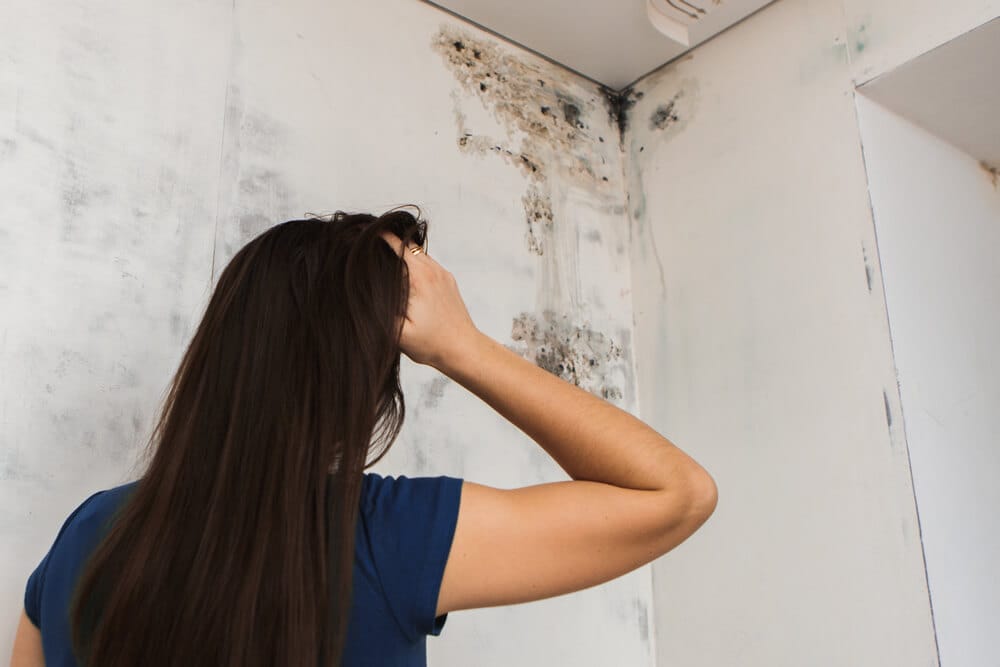
That musty smell in your basement isn’t just unpleasant—it could be signaling a health hazard. Mold thrives in damp, humid environments, silently spreading and releasing spores that can cause a range of health problems when inhaled or touched. These microscopic fungi naturally occur outdoors, but when they find their way inside our homes, they can multiply rapidly on surfaces like drywall, carpet, and wood.
The health effects of mold exposure vary widely depending on the individual and the type of mold present. Some people may experience mild allergic reactions, while others—particularly those with pre-existing conditions or compromised immune systems—may develop more serious health complications. Understanding these risks is crucial for protecting yourself and your family from potential harm.
Indoor mold growth is surprisingly common, with the EPA estimating that mold is present in about 30% of American homes. The presence of mold doesn’t automatically mean you’ll get sick, but prolonged exposure increases your risk of developing symptoms. Identifying and addressing mold problems promptly can help prevent these health risks and maintain a safer living environment.
Common Types of Indoor Mold That Cause Health Problems
Several types of mold commonly found in homes can affect your health. Aspergillus is frequently found in air conditioning systems and on foods, potentially causing respiratory infections in people with weakened immune systems. Cladosporium often appears as a black or green pepper-like substance on the back of toilets, painted surfaces, and fiberglass air ducts, triggering allergic reactions in many people.
Penicillium is the blue or green mold you might find on water-damaged materials or old food. While it gave us the first antibiotic, in the home environment it can cause allergic reactions and asthma symptoms. Alternaria is commonly found in damp areas like showers and under leaky sinks, known for causing severe allergic responses.
Then there’s Stachybotrys chartarum, often called “black mold,” which grows on materials with high cellulose content like fiberboard and drywall that have remained wet for extended periods. While often feared more than other molds, current research indicates its health effects are similar to those of other common molds—primarily allergic and respiratory in nature.
How Mold Spores Enter Your Body
Mold spores are incredibly tiny—measuring between 3 and 40 microns—allowing them to easily become airborne and travel through your home. These microscopic particles enter your body primarily through inhalation. Every time you breathe in a mold-contaminated environment, spores can make their way into your respiratory system, potentially reaching deep into your lungs.
Skin contact represents another pathway for mold exposure. Touching moldy surfaces can lead to direct contact with spores, which may cause skin irritation or rashes in sensitive individuals. Some people develop reactions even without direct contact, as airborne spores can settle on skin and trigger responses.
Less commonly, ingestion of mold occurs when you consume food contaminated with mold growth. While some molds used in food production (like certain cheeses) are safe, unintentional consumption of other molds can introduce mycotoxins—potentially harmful compounds produced by some mold species—into your system. Your body’s reaction to these entry methods depends largely on your sensitivity to mold and the amount and type of exposure you experience.
Respiratory Problems From Mold Exposure
Respiratory issues rank among the most common and concerning health effects of mold exposure. When mold spores enter your airways, they can trigger inflammation and irritation throughout your respiratory system. For many people, these responses manifest as coughing, wheezing, chest tightness, or difficulty breathing—symptoms that can significantly impact quality of life and daily functioning.
The respiratory impact of mold exposure isn’t limited to immediate reactions. Research published in the European Respiratory Journal suggests that long-term exposure to dampness and mold increases the risk of developing new asthma cases by approximately 30-50%. Even more concerning, these respiratory problems don’t always resolve immediately after exposure ends, with some individuals experiencing persistent symptoms for weeks or months.
Coughing, Wheezing, and Shortness of Breath
Persistent coughing is often the first sign that mold exposure is affecting your respiratory system. This coughing may be dry and hacking or produce phlegm, and typically worsens when you’re in environments where mold is present. The irritation caused by mold spores can also trigger wheezing—a high-pitched whistling sound during breathing that indicates narrowed or inflamed airways.
Shortness of breath often accompanies these symptoms, particularly during physical activity or in spaces with poor ventilation where mold spores are concentrated. This breathing difficulty occurs because inhaled mold spores can trigger bronchial constriction—the tightening of the smooth muscles surrounding your airways. For some people, these symptoms may feel similar to a persistent cold or mild respiratory infection that simply won’t go away.
Medical professionals evaluate these symptoms through pulmonary function tests, which measure how well your lungs work. In cases of mold-related respiratory issues, these tests often show decreased lung function, particularly in measurements of forced expiratory volume (how much air you can forcefully exhale in one second). These objective measurements help differentiate mold-related breathing problems from other respiratory conditions.
Asthma Attacks and Worsening Symptoms
For the 25 million Americans living with asthma, mold exposure represents a significant trigger that can provoke severe reactions. Mold spores irritate the already sensitive airways of asthma patients, causing inflammation that narrows breathing passages and restricts airflow. This inflammation can rapidly escalate into a full asthma attack characterized by severe wheezing, chest tightness, and dangerous breathing difficulty.
Children with asthma appear particularly vulnerable to mold’s effects. A study published in the Journal of Allergy and Clinical Immunology found that children living in homes with high mold concentrations experienced more frequent and severe asthma symptoms, required more medication, and had more emergency room visits than those in low-mold environments. Even more concerning, evidence suggests that early-life mold exposure may contribute to the initial development of asthma in genetically susceptible children.
For adults with established asthma, mold exposure often leads to decreased control of their condition, requiring increased medication use and more frequent medical interventions. This worsening of symptoms can occur even with relatively low levels of mold exposure that might not affect non-asthmatic individuals, highlighting the importance of maintaining mold-free environments for asthma patients.
Upper Respiratory Tract Infections
Mold exposure can increase susceptibility to upper respiratory tract infections (URTIs) by compromising the respiratory system’s natural defense mechanisms. The irritation caused by mold spores can damage the protective mucous membranes lining your nasal passages, sinuses, and throat, creating opportunities for bacteria and viruses to establish infections. This connection helps explain why people living in damp, moldy environments often report more frequent colds and sinus infections.
Research published in the journal Environmental Health Perspectives demonstrated that individuals living in moldy homes had up to a 34% increased risk of upper respiratory infections compared to those in mold-free environments. These infections typically manifest as sinusitis, pharyngitis (sore throat), or bronchitis, with symptoms including facial pain, headache, nasal congestion, and sore throat.
Recovery from these infections often takes longer in people with ongoing mold exposure, as the continued presence of mold spores prevents the respiratory tract from fully healing. This creates a frustrating cycle of recurrent infections that may be misattributed to other causes if the underlying mold problem goes unrecognized.
Hypersensitivity Pneumonitis
In susceptible individuals, repeated or intense mold exposure can trigger hypersensitivity pneumonitis (HP), an inflammatory lung condition resulting from an immune system overreaction to inhaled mold spores. Unlike typical allergic responses that primarily affect the upper respiratory tract, HP involves inflammation deep within the lung tissue, specifically in the alveoli—the tiny air sacs where oxygen transfer occurs.
Acute HP develops 4-6 hours after heavy exposure to mold, causing fever, chills, cough, shortness of breath, and body aches that mimic influenza. If exposure continues, chronic HP can develop, leading to irreversible lung scarring (fibrosis) and permanent reduction in lung function. The condition is particularly associated with occupational settings where mold exposure is intense, such as farming (farmer’s lung), composting facilities, or buildings with significant water damage.
Warning Signs of Hypersensitivity Pneumonitis
• Shortness of breath that worsens with exertion
• Dry cough that doesn’t produce phlegm
• Fatigue and malaise that persist for weeks
• Weight loss without trying
• Symptoms that worsen after entering specific environments
Diagnosis typically requires a combination of chest imaging, pulmonary function tests, and sometimes lung biopsy. Treatment focuses primarily on removing the person from the source of mold exposure, though corticosteroids may be prescribed to reduce inflammation in severe cases.
Allergic Reactions to Mold
Allergic responses represent the most common health effects associated with mold exposure, affecting an estimated 10-20% of the world’s population. These reactions occur when your immune system overreacts to mold spores, treating these harmless particles as dangerous invaders. The resulting inflammatory response produces the constellation of symptoms we recognize as allergic reactions—from mild nasal irritation to more severe systemic effects.
What makes mold allergies particularly challenging is their persistence. Unlike seasonal pollen allergies that occur only certain times of year, indoor mold allergies can cause year-round symptoms if the mold source remains present in your home or workplace. Additionally, mold allergies often develop after repeated exposure, meaning you might not react to mold initially but develop sensitivity over time with continued exposure.
Nasal Stuffiness and Runny Nose
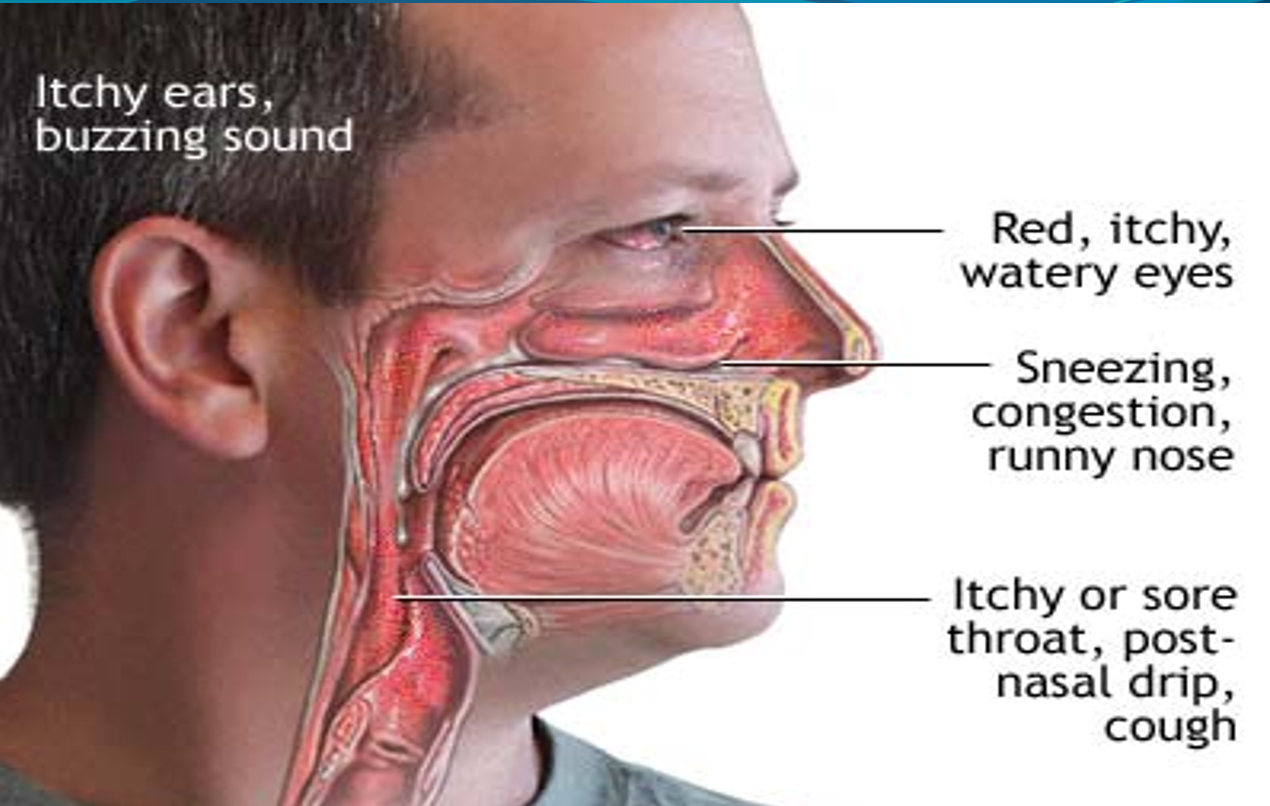
Nasal symptoms are typically the first and most common manifestation of mold allergies. When mold spores enter your nasal passages, they trigger the release of histamine and other inflammatory chemicals that cause the nasal tissues to swell and produce excess mucus. This inflammation leads to the characteristic stuffiness, congestion, and runny nose that many mold-sensitive individuals experience.
Nasal Stuffiness and Runny Nose
Nasal symptoms are typically the first and most common manifestation of mold allergies. When mold spores enter your nasal passages, they trigger the release of histamine and other inflammatory chemicals that cause the nasal tissues to swell and produce excess mucus. This inflammation leads to the characteristic stuffiness, congestion, and runny nose that many mold-sensitive individuals experience.
For some people, these nasal symptoms may be accompanied by frequent sneezing—a reflex attempt by the body to expel the irritating mold spores. Post-nasal drip can also develop as excess mucus drains down the back of the throat, leading to throat irritation and persistent throat clearing. These symptoms often worsen when entering environments with high mold concentrations and may improve when leaving these spaces, providing a clue that mold might be triggering the reaction.
Eye Irritation and Redness
When mold spores come into contact with the delicate tissues of your eyes, they can trigger an inflammatory response similar to what occurs in the nasal passages. The conjunctiva—the thin membrane covering the white of the eye and inner eyelids—becomes inflamed in a condition known as allergic conjunctivitis. This inflammation manifests as redness, itching, burning, and watering of the eyes that can range from mildly annoying to severely uncomfortable.
Some people experience swelling of the eyelids or the appearance of dark circles under the eyes (known as “allergic shiners”) when exposed to mold. These symptoms often occur alongside nasal symptoms and may become chronic in environments with persistent mold problems. Regular exposure to mold can also lead to increased sensitivity of the eyes over time, causing reactions to even smaller amounts of mold spores.
Eye drops containing antihistamines or mast cell stabilizers may provide temporary relief, but addressing the underlying mold problem is essential for long-term improvement. If eye symptoms persist or worsen despite treatment, it’s important to consult an allergist or ophthalmologist to rule out other potential causes.
Skin Rashes and Dermatitis
Direct contact with mold or mold spores can trigger skin reactions in sensitive individuals. Contact dermatitis from mold typically appears as red, itchy patches on areas of skin that have touched moldy surfaces. These rashes may develop small blisters or become dry and scaly with repeated exposure. The inflammation can spread beyond the initial contact area as the allergic reaction progresses.
In some cases, airborne mold spores can trigger or worsen atopic dermatitis (eczema), particularly in people with a genetic predisposition to this condition. This connection appears strongest in children, with research suggesting that early-life exposure to damp, moldy environments increases the risk of developing eczema. The resulting skin inflammation can cause intense itching, leading to scratching that further damages the skin barrier.
Topical corticosteroids and moisturizers may help manage these skin symptoms, but identifying and removing the mold source remains crucial. Patch testing performed by a dermatologist or allergist can help confirm whether mold is the specific trigger for persistent skin reactions.
Black Mold Exposure: Separating Fact From Fiction
Few environmental health topics generate as much confusion and fear as “black mold.” Media coverage and internet sources often contain alarming claims about the dangers of black mold exposure, leading to widespread misconceptions. Understanding the science behind black mold and its actual health effects is essential for making informed decisions about mold remediation and health protection.
What Black Mold Actually Is
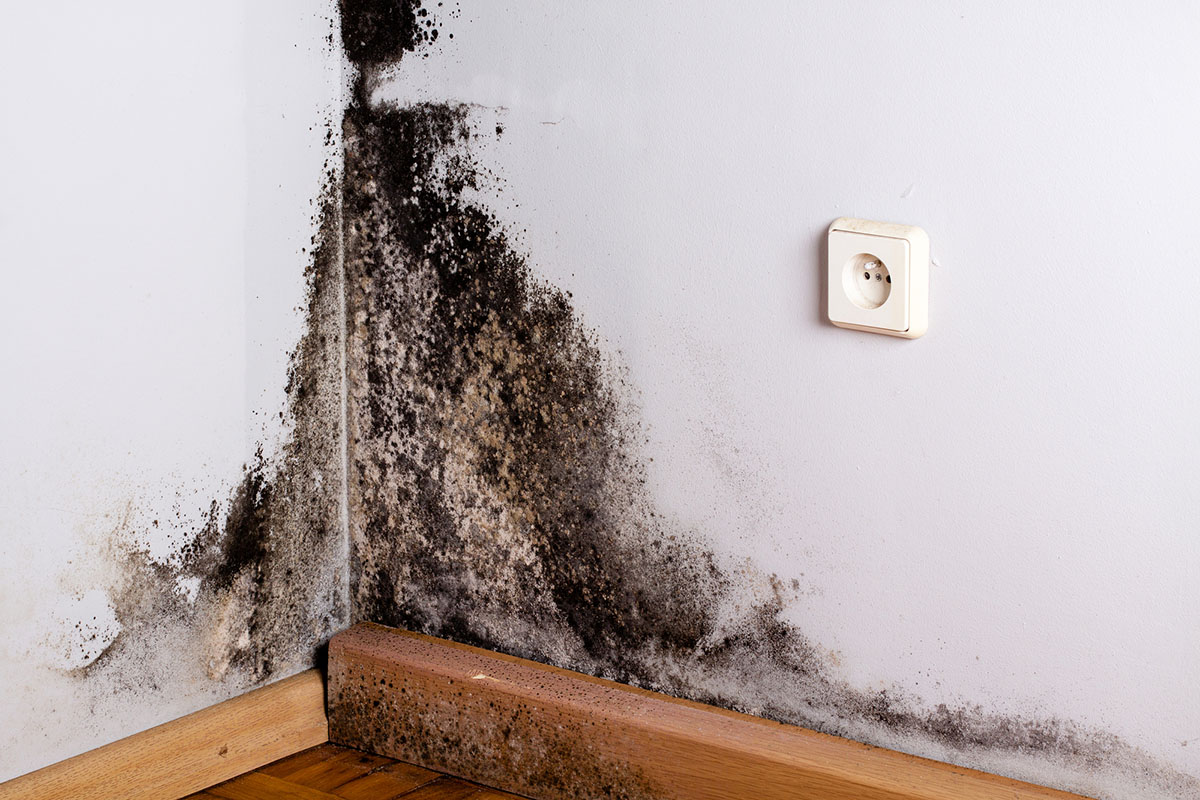
The term “black mold” commonly refers to Stachybotrys chartarum, a greenish-black fungus that grows on materials with high cellulose content—like drywall, paper, and wood—that have been chronically wet or humid. This mold species requires more moisture than many common household molds, typically appearing only after prolonged water damage. It has a distinctive slimy, dark appearance that distinguishes it from other household molds.
However, it’s important to note that many molds appear black or dark in color without being Stachybotrys chartarum. Cladosporium, Alternaria, and certain Aspergillus species can all appear dark to the naked eye, making visual identification unreliable. Only laboratory testing can definitively identify specific mold species, which is why professional mold assessments focus more on the extent of mold growth rather than the particular type present.
Stachybotrys chartarum can produce compounds called mycotoxins under certain growth conditions, but it’s not unique in this ability—many common molds can produce these substances when environmental conditions favor their production. These mycotoxins have been studied primarily for their effects on livestock consuming contaminated feed rather than for inhalation exposure in indoor environments.
Scientific Evidence on Black Mold Health Effects
The current scientific consensus based on epidemiological studies indicates that black mold exposure presents similar health risks to other common indoor molds. These risks primarily include allergic reactions and respiratory irritation, particularly in sensitive individuals. Large-scale studies have failed to demonstrate unique or exceptionally severe health effects specifically attributable to Stachybotrys chartarum compared to other mold species.
Research on mycotoxins produced by black mold has yielded mixed results regarding their role in human disease. While laboratory studies show potential toxicity of these compounds, there’s limited evidence that indoor exposures result in sufficient mycotoxin levels to cause systemic illness in humans. The Centers for Disease Control and Prevention (CDC) states that a causal link between black mold exposure and severe health conditions beyond allergic and irritant effects has not been proven in scientific literature.
Expert Perspective: “The evidence does not indicate that intrusion of Stachybotrys chartarum into the indoor environment is any more harmful than other common molds. All molds should be removed from indoor environments through appropriate remediation.” – American College of Occupational and Environmental Medicine position statement
Common Misconceptions About “Toxic” Mold
The label “toxic mold” has created significant confusion in public understanding. Technically, molds themselves aren’t toxic—rather, certain molds can produce potentially toxic substances (mycotoxins) under specific conditions. Media reports often mischaracterize black mold as universally deadly or capable of causing a wide range of symptoms without sufficient scientific evidence to support these claims.
Another common misconception is that black mold exposure leads to cognitive impairment, memory problems, or neurological damage. While some individuals report these symptoms in moldy environments, controlled studies have not established a causal relationship. These symptoms may result from other factors or conditions that coincide with mold exposure, such as volatile organic compounds from water-damaged building materials. For more information, you can explore the health problems associated with mold.
Despite these misconceptions, all significant mold growth in indoor environments should be addressed properly—not because black mold is uniquely dangerous, but because any extensive mold growth indicates moisture problems that can damage buildings and potentially affect health through allergic and irritant mechanisms. The focus should remain on proper moisture control and remediation rather than on fears of specific mold types.
People Most Vulnerable to Mold-Related Health Problems
While anyone can potentially experience adverse reactions to mold exposure, certain populations face significantly higher risks of developing serious health problems. Understanding these vulnerability factors helps identify who needs the most protection from mold exposure and who should take extra precautions when living or working in environments where mold might be present.
Infants and Young Children
Children’s developing respiratory and immune systems make them particularly susceptible to mold-related health problems. Their higher respiratory rates mean they inhale more air relative to their body weight than adults, potentially increasing their exposure to airborne mold spores. Studies published in the journal Pediatrics have linked early childhood exposure to damp, moldy environments with the development of asthma, with some research suggesting up to a 2.5-fold increased risk.
Children also spend more time on the floor or ground where mold spores may settle, and they frequently put hands and objects in their mouths, creating additional exposure routes. Their immature immune systems may struggle to effectively manage the inflammatory responses triggered by mold, potentially leading to more pronounced symptoms or longer recovery times. Parents should be particularly vigilant about addressing mold issues in homes with young children, especially in spaces where children spend significant time.
Elderly Individuals
As we age, our immune system function naturally declines—a process called immunosenescence. This age-related immune weakening can make older adults more susceptible to mold-triggered infections and allergic responses. Elderly individuals often have reduced ciliary clearance in their respiratory tract, meaning the tiny hair-like structures that help clear particles from the airways don’t work as efficiently, allowing mold spores to remain in the respiratory system longer.
Many seniors also have pre-existing health conditions like COPD, heart disease, or diabetes that can be exacerbated by the inflammatory responses triggered by mold exposure. Additionally, older adults may spend more time indoors, potentially increasing their exposure to indoor mold. For those in assisted living facilities or nursing homes, proper building maintenance and moisture control are essential safeguards against mold-related health problems.
People With Compromised Immune Systems
Individuals with weakened immune systems face the greatest risk from mold exposure. This includes people undergoing chemotherapy or radiation treatments, organ or stem cell transplant recipients taking immunosuppressive medications, and those with HIV/AIDS or inherited immune deficiency disorders. For these individuals, exposure to certain molds can potentially lead to invasive fungal infections where the mold actually grows within body tissues—a rare but serious condition requiring urgent medical intervention.
Even less severe reactions to mold can be more pronounced and longer-lasting in immunocompromised individuals. The immune system’s reduced ability to regulate inflammatory responses can lead to more extensive inflammation and tissue damage. Healthcare providers often recommend that immunocompromised patients take additional precautions to avoid mold exposure, including wearing N95 respirators during outdoor activities in mold-rich environments and ensuring their homes remain mold-free.
Those With Existing Respiratory Conditions
People with pre-existing respiratory conditions experience significantly worse outcomes from mold exposure compared to the general population. For asthma patients, mold spores act as powerful triggers that can provoke severe attacks requiring emergency medical care. Those with chronic obstructive pulmonary disease (COPD) often experience exacerbations of their condition when exposed to mold, with increased coughing, mucus production, and breathing difficulty that can persist for weeks after exposure.
Individuals with cystic fibrosis, bronchiectasis, or other conditions involving bronchial damage are particularly vulnerable to fungal colonization of their airways following mold exposure. In some cases, certain Aspergillus species can establish allergic bronchopulmonary aspergillosis (ABPA), a condition where the mold actually grows within the airways, causing severe inflammation and potentially permanent lung damage. For these individuals, maintaining mold-free living environments is not merely a matter of comfort but a critical health necessity.
Individuals With Mold Allergies
People with established mold allergies experience immune system overreactions when exposed to even small amounts of mold spores. This hypersensitivity means symptoms develop more quickly, last longer, and often occur at lower exposure levels compared to non-allergic individuals. For those with multiple allergies, mold exposure can trigger a “priming effect,” temporarily increasing sensitivity to other allergens and potentially causing reactions to substances that normally wouldn’t provoke symptoms.
Genetic factors play a significant role in determining who develops mold allergies. Research indicates that variations in certain immune system genes can increase susceptibility to mold sensitization. Once sensitized, continued exposure often leads to increasingly severe reactions through a process called “allergic march,” where the allergic response progressively worsens over time. For these individuals, proper mold remediation combined with medical management through antihistamines, nasal corticosteroids, or allergen immunotherapy provides the most effective approach to minimizing symptoms.
How to Tell If Mold Is Affecting Your Health
Determining whether your symptoms stem from mold exposure can be challenging, as many mold-related health effects mimic those of common conditions like allergies, colds, or flu. However, certain patterns in your symptoms may suggest mold as a potential culprit. Understanding these patterns helps you make more informed decisions about when to suspect mold problems and when to seek medical advice.
Symptoms That Improve When Away From Home
One of the most telling signs that your symptoms might be related to mold exposure is a consistent pattern of improvement when you’re away from a specific environment. If you notice that nasal congestion, coughing, headaches, or fatigue consistently diminish when you leave your home or workplace and return when you go back, this temporal relationship suggests an environmental trigger like mold might be responsible. Many people first notice this pattern during vacations, when spending several days away provides enough time for inflammation to subside.
Consider keeping a simple symptom diary to track this pattern. Note when symptoms occur, their severity, and your location throughout the day. After a few weeks, review your notes for correlations between specific environments and symptom flare-ups. This documentation can be valuable both for your own awareness and for sharing with healthcare providers if you seek medical evaluation.
Seasonal vs. Year-Round Symptoms
The timing and consistency of your symptoms can provide important clues about their cause. Outdoor mold spore levels typically peak in late summer and fall, particularly during rainy periods, so symptoms that worsen specifically during these times might indicate outdoor mold allergies. In contrast, symptoms that persist year-round with little seasonal variation often point to indoor triggers like household mold, especially if they worsen during or after periods of high humidity or water problems in your home.
It’s worth noting that many people with outdoor mold allergies are also sensitive to indoor molds, making the pattern more complex. Additionally, indoor mold growth often increases during humid summer months, potentially creating overlapping patterns. Consulting with an allergist who can perform specific mold allergy testing helps clarify these patterns and identify your particular triggers.
When to See a Doctor About Suspected Mold Exposure
Seek medical attention if you experience persistent respiratory symptoms that don’t improve with standard treatments or that worsen when you’re in certain environments. Symptoms warranting medical evaluation include coughing or wheezing that lasts more than three weeks, recurring sinus infections, unusual shortness of breath, or fatigue that significantly impacts your daily activities. If you’ve noticed visible mold in your home and developed new health problems, mentioning this connection to your healthcare provider is important.
When consulting a doctor about potential mold-related health issues, consider seeing an allergist, immunologist, or pulmonologist who specializes in environmental health. These specialists can order appropriate tests—including specific IgE antibody tests for mold allergies, pulmonary function tests, or in some cases, bronchial challenge tests—to determine whether mold sensitivity is contributing to your symptoms. Bring any documentation of your symptoms and their timing to help your provider make accurate connections between your environment and your health.
Creating a Healthier Home Environment
Preventing mold-related health problems starts with creating and maintaining living spaces that discourage mold growth. Since mold requires moisture to thrive, controlling water and humidity forms the foundation of effective mold prevention. Implementing these strategies not only protects your health but also preserves your home’s structural integrity and indoor air quality.
Controlling Moisture and Humidity Levels
Maintaining indoor humidity between 30-50% creates an environment where mold struggles to establish itself. Use dehumidifiers in naturally damp areas like basements, especially during humid summer months when outdoor moisture levels are high. Monitor humidity levels with inexpensive hygrometers placed in different areas of your home to identify problem zones that may need additional attention.
Address water leaks promptly, whether they’re obvious like dripping pipes or subtle like condensation on windows. Even small, ongoing moisture sources provide enough water for mold to thrive. After any water intrusion—from flooding, roof leaks, or plumbing failures—dry all affected materials within 24-48 hours to prevent mold establishment. For larger water events, consider consulting water damage restoration professionals who have specialized equipment to thoroughly dry structural materials.
Proper Ventilation in Bathrooms and Kitchens
Bathrooms and kitchens generate significant moisture through everyday activities like showering, bathing, cooking, and dishwashing. Install and regularly use exhaust fans vented to the outside (not into attics or wall cavities) in these high-moisture areas. Run bathroom fans during showers and for 20-30 minutes afterward to remove steam and condensation that would otherwise settle on surfaces.
In kitchens, use range hoods when cooking to capture steam and grease that can support mold growth on nearby surfaces. Ensure that dryer vents exhaust directly outdoors and remain unobstructed, as misdirected dryer moisture can create significant humidity problems. For homes without built-in ventilation systems, opening windows when weather permits or using portable fans to improve air circulation can help reduce moisture accumulation.
| Room | Common Moisture Sources | Prevention Strategies |
|---|---|---|
| Bathroom | Showers, baths, leaky toilets | Exhaust fans, squeegee shower walls, repair leaks promptly |
| Kitchen | Cooking, dishwashing, refrigerator drip pans | Range hoods, wipe spills quickly, check appliance drainage |
| Basement | Ground moisture, condensation, flooding | Dehumidifiers, proper drainage, foundation waterproofing |
| Laundry Room | Washing machine leaks, dryer condensation | Check hoses regularly, ensure proper venting, use drip pans |
Consider your home’s overall ventilation system when addressing moisture control. Proper air exchange helps remove humid indoor air and replace it with drier outside air. In tightly sealed modern homes, mechanical ventilation systems like heat recovery ventilators (HRVs) or energy recovery ventilators (ERVs) may be necessary to maintain healthy air exchange while preserving energy efficiency.
Safe Removal of Small Mold Problems
For limited mold growth (less than about 10 square feet), many homeowners can safely handle remediation themselves with proper precautions. Begin by addressing the moisture source that enabled the mold growth—without fixing the underlying water problem, mold will simply return after cleaning. Wear protective equipment including an N95 respirator, gloves, and eye protection to minimize your exposure during cleanup activities.
- For hard surfaces like tile, glass, or metal, scrub with detergent and water, then dry completely
- For porous materials with visible mold growth (drywall, carpet, ceiling tiles), removal and replacement is often necessary
- Clean all surfaces in the surrounding area, as mold spores may have settled beyond the visible growth
- Dispose of moldy materials in sealed plastic bags to prevent spore spread through your home
- Run HEPA air purifiers during and after cleanup to capture airborne spores
Avoid using bleach for mold removal on porous surfaces, as it doesn’t penetrate well and leaves the mold roots intact. Commercial mold cleaners containing borax, hydrogen peroxide, or vinegar often prove more effective for long-term remediation. After cleaning, maintain lower humidity and monitor the area regularly to ensure mold doesn’t return.
Remember that DIY mold removal is appropriate only for small areas. Attempting to handle larger infestations without professional equipment and training can spread mold spores throughout your home and increase your exposure to potentially harmful levels.
When to Call Professional Mold Remediation Services
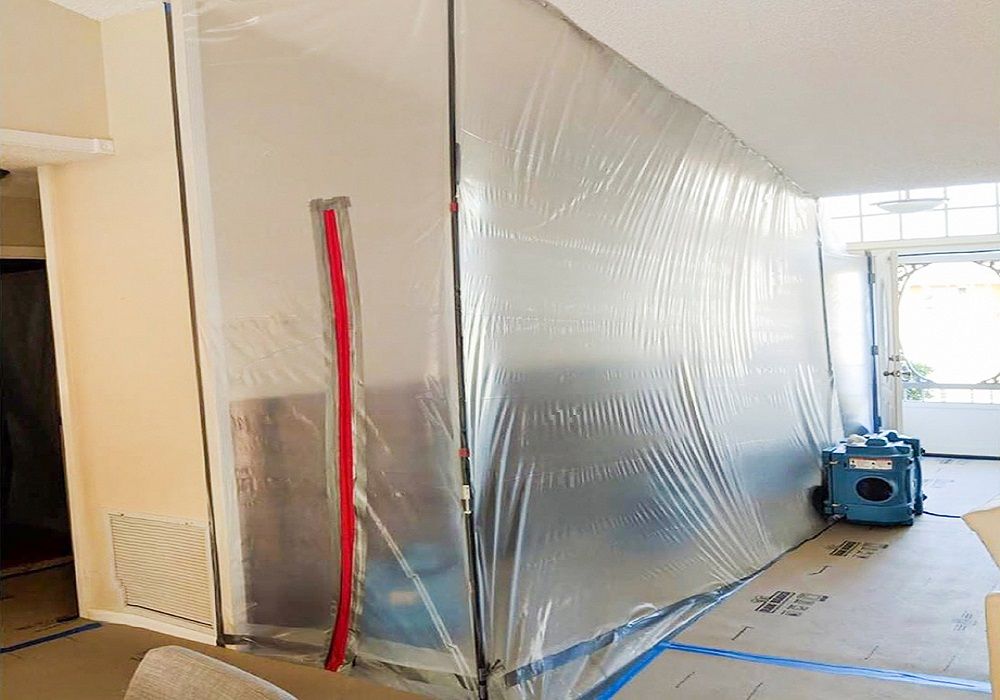
Professional remediation becomes necessary when mold covers large areas (more than 10 square feet), affects your HVAC system, results from sewage contamination, or appears in hidden locations like inside walls or under flooring. Professionals bring specialized equipment including commercial-grade HEPA vacuums, negative air machines, and containment systems that prevent cross-contamination during removal. They also have access to advanced testing methods that can detect hidden moisture and mold growth not visible to homeowners.
Frequently Asked Questions
As awareness of mold-related health risks grows, so do questions about specific aspects of mold exposure and its effects. These frequently asked questions address common concerns and misconceptions about mold and health, providing evidence-based answers to help you better understand and address potential mold issues in your environment.
- What’s the difference between mold allergy and mold toxicity?
- Can mold exposure cause long-term health problems even after removal?
- Are children more susceptible to mold-related health issues than adults?
- Can mold in one area of the house affect air quality throughout the home?
- How can I tell if my symptoms are from mold or something else?
The distinction between correlation and causation remains important when discussing mold and health. While research clearly establishes connections between damp, moldy environments and certain health problems, individual responses vary significantly based on genetic factors, pre-existing conditions, and specific exposure patterns.
Emerging research continues to investigate potential connections between mold exposure and various health conditions. As our understanding evolves, public health recommendations may be refined to better protect vulnerable populations and provide more targeted interventions for those affected by mold-related health problems.
The most effective approach combines preventive measures to control moisture, prompt remediation of existing mold problems, and appropriate medical care for those experiencing symptoms. This comprehensive strategy addresses both the environmental and health aspects of mold exposure, offering the best protection against associated health risks.
Can mold exposure cause memory loss or brain fog?
Some individuals report cognitive symptoms like difficulty concentrating, memory problems, and mental fogginess after mold exposure, particularly in water-damaged buildings. While these reports are consistent across many case studies, establishing a direct causal relationship has proven challenging in controlled research settings. Some scientists theorize that inflammatory responses triggered by mold exposure might affect brain function through systemic inflammation, while others suggest that volatile compounds released by some molds could potentially impact neurological function.
Current scientific evidence doesn’t conclusively support or refute these cognitive effects, placing them in a gray area of ongoing research. If you experience these symptoms in conjunction with known mold exposure, document the correlation between your environment and symptoms, and consult with healthcare providers knowledgeable about environmental health. Neuropsychological testing can help objectively measure cognitive changes, while addressing any mold issues in your environment remains prudent regardless of the current state of research.
How quickly can mold affect your health after exposure?
The timeline for developing symptoms after mold exposure varies significantly depending on individual sensitivity, exposure intensity, and the specific type of reaction. For those with established mold allergies, symptoms may develop within minutes to hours after exposure as the immune system rapidly responds to allergens. In contrast, irritant reactions from mycotoxins or volatile organic compounds might take longer to develop, sometimes appearing 12-24 hours after significant exposure as inflammatory processes build up gradually.
Is it safe to live in a house with mold if I don’t see any symptoms?
Living in a home with visible mold growth poses potential health risks even if you’re not currently experiencing symptoms. Mold sensitivity can develop over time with continued exposure, meaning someone without current symptoms might develop them in the future. Additionally, certain types of mold produce mycotoxins and microbial volatile organic compounds that may have subtle health effects not immediately recognized as mold-related. From a structural perspective, ongoing mold growth indicates moisture problems that can damage building materials and lead to costly repairs if left unaddressed.
Can air purifiers help reduce mold spores in the home?
High-quality air purifiers equipped with true HEPA filters can capture airborne mold spores, reducing overall concentration in your indoor environment. These devices filter particles as small as 0.3 microns—well within the size range of most mold spores (typically 3-40 microns). For maximum effectiveness, choose purifiers designed for the specific square footage of your space and place them in rooms where you spend the most time or where moisture issues exist.
While air purification represents a helpful supplementary measure, it doesn’t address the underlying causes of mold growth. Even the best air purifiers cannot remove mold growing on surfaces or hidden within building materials. Think of air purification as one component of a comprehensive approach that must include moisture control and proper remediation of existing mold growth. For people with mold sensitivity or respiratory conditions, air purifiers can provide symptomatic relief while more permanent solutions are implemented.
How long does it take to recover from mold-related health issues?
Recovery timelines vary widely depending on individual factors and the nature of the health effects experienced. For simple allergic reactions, symptoms typically improve within days to weeks after removing the mold exposure, with complete resolution often occurring within 1-2 months. Inflammatory responses in the respiratory system may take longer to resolve, with some individuals reporting gradual improvement over 3-6 months as airway inflammation slowly subsides.
For those who have developed hypersensitivity to mold, recovery may take longer and sometimes require both environmental and medical interventions. Some individuals with severe reactions benefit from temporary relocation to mold-free environments during recovery. Working with healthcare providers familiar with environmental medicine can help establish appropriate treatment protocols, which might include anti-inflammatory medications, antihistamines, nasal irrigation, or in some cases, antifungal treatments for fungal colonization of the sinuses or lungs.
- Mild allergic symptoms typically resolve within days to weeks after exposure ends
- Respiratory inflammation may take 1-3 months to fully resolve
- Individuals with mold hypersensitivity may require 6+ months for recovery
- Some people report faster recovery when temporarily relocating to mold-free environments
Complete recovery typically requires both addressing the environmental issues and providing appropriate medical support for affected individuals. The most successful approaches combine thorough remediation of mold problems, ongoing moisture control to prevent recurrence, and targeted medical interventions based on specific symptoms and conditions.
Remember that recovery isn’t always linear—some people experience fluctuating symptoms during the healing process, particularly if they encounter other respiratory irritants or allergens during recovery. Patience and consistent attention to both environmental and health factors provide the best path to resolution of mold-related health issues.
Understanding the health risks associated with mold exposure empowers you to take appropriate preventive measures and seek help when needed. By controlling moisture, improving ventilation, and addressing mold problems promptly, you can significantly reduce your risk of experiencing these health effects while creating a healthier living environment for yourself and your family.
If you’re concerned about potential mold problems in your home, professional inspection and testing services can help identify hidden issues and develop appropriate remediation plans. Your health deserves this level of attention, especially if you’ve experienced unexplained symptoms that might be connected to your indoor environment.