
Can Black Mold Be Fully Remediated?
Key Takeaways
- Black mold can be remediated, but complete elimination depends on addressing the underlying moisture issues and proper removal techniques.
- Small areas of black mold (under 10 square feet) can often be handled as a DIY project with proper safety equipment.
- Professional remediation is necessary for larger infestations, those affecting HVAC systems, or when mold has penetrated building materials deeply.
- Successful remediation requires both removing visible mold and addressing hidden growth in porous materials like drywall and insulation.
- TampaBayMold.net mold remediation experts recommend comprehensive moisture control as the most effective strategy for preventing black mold from returning after cleanup.
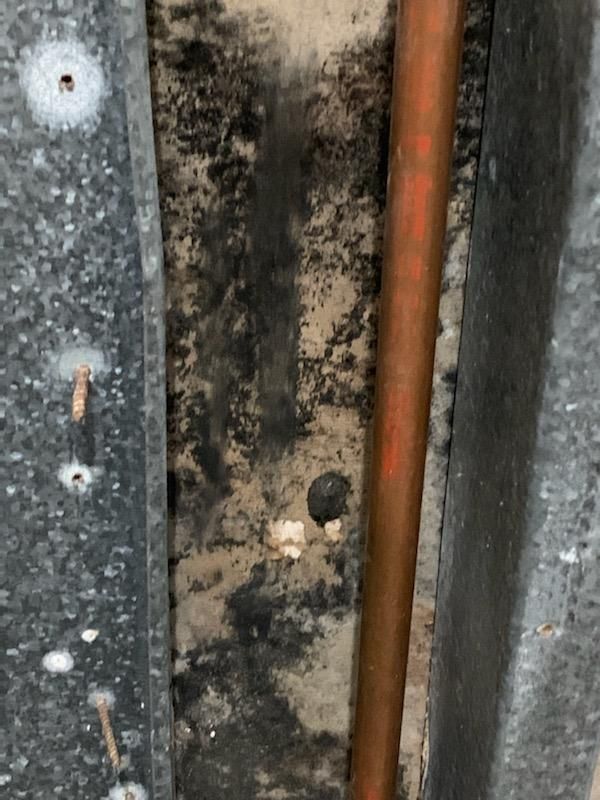
The Truth About Black Mold Removal: What Homeowners Must Know
Black mold strikes fear in homeowners for good reason. Beyond the unsightly dark patches, Stachybotrys chartarum (commonly known as black mold) can trigger respiratory issues, allergic reactions, and other health concerns. The question isn’t whether black mold can be removed – it absolutely can – but whether it can be fully remediated without returning. The answer lies in understanding that effective black mold remediation goes far beyond surface cleaning.
True remediation addresses not just the visible mold but also the underlying conditions that allowed it to flourish in the first place. Without tackling the root cause, typically excess moisture, black mold will simply return, often in the same locations. This comprehensive approach is why professional remediation services focus on moisture control systems and structural repairs alongside the actual mold removal process.
Many homeowners make the critical mistake of treating black mold as a surface-level problem, using bleach or over-the-counter products that may temporarily remove visible growth while leaving spores embedded in porous materials. This approach creates a false sense of security while allowing the infestation to persist below the surface, ready to reappear when conditions become favorable again.
Why Complete Black Mold Remediation Is Challenging
Successfully eliminating black mold presents several significant challenges that extend beyond what’s visible to the naked eye. Black mold remediation is fundamentally different from routine cleaning because the organism behaves more like a plant with roots than a surface contaminant. When you see black mold on a surface, what you’re observing is just the fruiting body – similar to seeing a mushroom while the extensive mycelium network remains hidden below ground.
Porous Materials: The Hidden Challenge
Porous materials like drywall, carpet, upholstery, and wood present the greatest challenge in mold remediation. Once black mold establishes itself in these materials, it extends microscopic filaments (hyphae) deep into the structure. These filaments can penetrate several millimeters or even centimeters into materials, well beyond the reach of surface treatments. This is why remediation professionals often recommend complete removal of affected porous materials rather than attempting to clean them – the mold literally becomes part of the material itself.
Root System Growth Beyond Visible Areas
Black mold operates much like an iceberg – what you see on the surface represents only a fraction of the actual problem. The organism extends its growth network into dark, hidden spaces where moisture levels remain high. Common examples include the reverse side of drywall, inside wall cavities, beneath flooring, and within ceiling materials. This hidden growth often goes undetected until the infestation becomes severe enough to produce visible signs or odors. Professional remediation addresses these hidden reservoirs through specialized inspection techniques, including thermal imaging and moisture mapping to detect potential growth areas.
Moisture Sources That Keep Returning
The most persistent challenge in black mold remediation is identifying and correcting all moisture sources that created favorable conditions for mold growth. Black mold requires moisture levels above 55% relative humidity to thrive, so any unresolved leaks, condensation points, or humidity issues will inevitably lead to renewed growth. Common moisture sources include roof leaks, plumbing issues, condensation from poor insulation, foundation seepage, and inadequate ventilation in bathrooms and kitchens. Without comprehensive moisture control, even the most thorough cleaning efforts will ultimately fail as new mold colonies establish themselves.
Expert Insight: “The biggest mistake I see homeowners make is focusing only on the visible mold while ignoring the conditions that caused it. We’ve remediated homes where owners had cleaned the same bathroom ceiling three times with bleach, never realizing that inadequate ventilation was creating perfect conditions for regrowth each time. Proper remediation must address both the mold and its causes.”
Understanding these fundamental challenges explains why complete black mold remediation requires a systematic approach. Surface treatments might temporarily improve appearances, but they rarely solve the underlying problem. Successful remediation demands identifying moisture sources, removing heavily contaminated materials, cleaning salvageable surfaces, and implementing preventive measures to maintain appropriate humidity levels and prevent water intrusion.
Professional vs. DIY Black Mold Remediation
Deciding whether to tackle black mold remediation yourself or hire professionals depends on several critical factors. While DIY approaches can be appropriate for small, contained problems, larger infestations typically require professional expertise and equipment. The Environmental Protection Agency provides clear guidelines on when each approach is suitable, helping homeowners make informed decisions based on the extent of contamination and their own capabilities.
Professional remediation services offer comprehensive approaches that include containment, air filtration, complete removal, and preventative measures that DIY methods often can’t match. They also carry specialized equipment like commercial-grade HEPA vacuums, negative air machines, and professional-strength antimicrobial treatments that aren’t available to average homeowners. This specialized approach significantly increases the likelihood of complete remediation while minimizing health risks during the removal process.
When You Can Safely Handle Mold Yourself
According to EPA guidelines, homeowners can safely address black mold issues when the affected area is smaller than 10 square feet (approximately a 3-foot by 3-foot section). These smaller infestations, especially on hard, non-porous surfaces like tile, glass, or metal, respond well to DIY cleaning methods. Isolated incidents caused by a single event like a small water spill that was quickly addressed are generally manageable without professional intervention. The key factor is ensuring you can completely access the affected area and that the mold hasn’t spread into hidden spaces like wall cavities or under flooring.
Signs You Need Professional Remediation
Professional remediation becomes necessary when the mold infestation exceeds 10 square feet or involves complex situations. If black mold has affected your HVAC system, ductwork, or has spread into multiple rooms, professional help is essential. Similarly, when mold grows due to sewage backup or contaminated water (known as Category 3 or black water), specialized cleaning protocols are required to address both the mold and the dangerous pathogens present.
Signs of structural damage, such as warped flooring, bulging walls, or ceiling sagging indicate severe moisture problems that have likely created extensive hidden mold growth requiring professional assessment. Health symptoms among household members that worsen when inside the home often indicate a larger problem than what’s visibly apparent. In these cases, professionals can perform comprehensive testing to locate hidden growth and develop appropriate remediation strategies.
If you’ve attempted DIY removal multiple times and the mold returns, this clearly indicates underlying issues that haven’t been addressed – another situation where professional intervention becomes necessary. Professionals can identify hidden moisture sources and develop comprehensive solutions to prevent recurrence.
What Professional Remediation Actually Includes
Professional black mold remediation involves a systematic, multi-phase approach that goes far beyond simple cleaning. The process typically begins with a thorough inspection and assessment, often incorporating moisture meters, thermal imaging cameras, and in some cases, air or surface sampling to determine the extent of contamination. Based on this assessment, remediation professionals develop a customized plan addressing both the visible mold and underlying conditions.
The Institute of Inspection, Cleaning and Restoration Certification (IICRC) S520 Standard for Professional Mold Remediation outlines five principles that guide professional remediation: safety and health, project documentation, contaminant control, contaminant removal, and moisture control. Following these principles ensures a comprehensive approach that addresses the entire problem rather than just its symptoms.
Professional remediation typically includes containment measures using plastic sheeting and negative air pressure to prevent cross-contamination, complete removal of heavily affected materials, HEPA vacuuming of all surfaces, antimicrobial treatments for salvageable materials, and post-remediation verification testing. Many companies also offer reconstruction services to replace removed materials and restore the property to its pre-contamination condition.

Costs of Professional Black Mold Removal
Professional black mold remediation costs vary significantly based on the extent of contamination, the size of the affected area, and the required interventions. For small, localized problems, homeowners might pay between $500-$1,500, while extensive remediation involving multiple rooms or requiring significant structural work can range from $3,000 to $30,000 or more. These costs typically include inspection, containment, removal, cleaning, and disposal of contaminated materials.
Additional expenses often include testing (both pre- and post-remediation), reconstruction of removed structures, replacement of contaminated belongings, and preventative measures like dehumidification systems or ventilation improvements. While these costs might seem substantial, they should be weighed against the health implications of incomplete remediation and the potential for more extensive damage if the problem persists or returns. Many remediation companies offer financing options, and in some cases, homeowner’s insurance may cover costs if the mold resulted from a covered peril like sudden pipe bursts.
The Step-by-Step Black Mold Remediation Process
Whether approaching black mold remediation as a DIY project or hiring professionals, understanding the complete process provides valuable context for ensuring thorough removal. Effective remediation follows a systematic approach that addresses both the visible mold and the conditions that allowed it to grow. This comprehensive strategy significantly increases the likelihood of complete removal and prevents recurrence.
1. Identify and Fix All Moisture Sources
The foundation of successful black mold remediation begins with identifying and resolving all moisture sources that created favorable conditions for growth. Common culprits include leaky pipes, roof defects, condensation issues, poor ventilation, and foundation seepage. This critical first step often requires specialized tools like moisture meters, hygrometers, and sometimes thermal imaging cameras to detect hidden moisture within walls or under floors. Professional plumbers or roofers may need to repair leaks, while HVAC specialists might address condensation or ventilation issues. Installing dehumidifiers, improving bathroom and kitchen ventilation, and sealing foundation cracks are common interventions. Without addressing these underlying moisture issues, any mold removal efforts will ultimately fail as new colonies establish themselves when conditions remain favorable.
2. Isolate the Contaminated Area
Proper containment is essential to prevent mold spores from spreading to unaffected areas during the remediation process. For smaller projects, this might involve sealing off doorways and vents with plastic sheeting and tape. For larger remediation efforts, professionals create negative air pressure environments using specialized equipment that forces air to flow into the contaminated area rather than outward. This containment strategy prevents cross-contamination while work proceeds. HEPA air scrubbers running continuously within the containment area capture airborne spores released during the removal process.
3. Remove Damaged Materials
Materials that cannot be effectively cleaned must be completely removed and properly disposed of. This typically includes porous items like drywall, insulation, carpeting, and ceiling tiles that have been extensively contaminated. Removal requires careful handling to minimize spore dispersal, including misting materials with water to reduce dust, double-bagging waste in heavy plastic bags, and wiping the exteriors of bags before moving them through clean areas. For structural components like wooden framing that cannot be removed, professional remediation often involves HEPA vacuuming followed by sanding or wire brushing to remove embedded mold, then applying antimicrobial treatments to prevent regrowth.
All removed materials should be disposed of according to local regulations, which may require special handling procedures. Never attempt to salvage heavily contaminated porous materials, as they typically harbor mold deep within their structure where cleaning agents cannot effectively reach.
4. Clean Salvageable Surfaces
Non-porous and semi-porous materials that haven’t been deeply penetrated by mold can often be cleaned rather than removed. This typically involves a multi-step process starting with HEPA vacuuming to remove loose spores and debris. Next, surfaces are scrubbed with appropriate cleaning solutions – typically detergent-based products rather than bleach, which may not penetrate porous surfaces effectively and can actually provide moisture that encourages regrowth. Commercial antimicrobial products designed specifically for mold remediation are then applied to kill remaining spores and prevent regrowth.
Different materials require specific cleaning approaches. Hard surfaces like glass, metal, and sealed wood respond well to detergent solutions, while semi-porous materials like wood might require specialized wood cleaners followed by sanding and refinishing. Always follow manufacturer guidelines for cleaning products and test in an inconspicuous area first to prevent damage.
5. Dry the Area Completely
After cleaning, thorough drying is critical to prevent recurrence. Professional equipment like commercial dehumidifiers, air movers, and in some cases, heat drying systems may be necessary to achieve complete drying, particularly for structural materials like wall studs and subflooring. Moisture meters should confirm that materials have returned to appropriate moisture content levels before reconstruction begins. Depending on the extent of contamination and environmental conditions, the drying process may take several days to ensure all hidden pockets of moisture are eliminated.
Once drying is complete, a final cleaning with HEPA vacuums helps remove any remaining debris or dust. At this point, remediated areas should be visibly free of mold, with no musty odors present. Professional remediation often includes post-remediation verification testing to confirm successful removal before reconstruction begins.
Essential Safety Equipment for Mold Remediation
Proper safety equipment is non-negotiable when dealing with black mold remediation. Mold spores can cause respiratory issues, skin irritation, and other health problems, particularly during removal when large quantities of spores become airborne. The minimum recommended safety equipment includes N95 respirators or better, goggles without ventilation holes, long gloves extending to mid-forearm, and disposable full-body coveralls. All of these items should be disposed of properly after use to prevent cross-contamination.
Respiratory Protection Requirements
Respiratory protection is perhaps the most critical safety component when dealing with black mold. At minimum, an N95 respirator mask (rated to filter 95% of airborne particles) is required for small remediation projects. For larger projects or when dealing with extensive black mold contamination, half-face or full-face respirators with HEPA filters provide superior protection. These professional-grade respirators create a tight seal against the face and filter virtually all mold spores and associated mycotoxins. Proper fit testing is essential, as facial hair or incorrect sizing can compromise the seal and significantly reduce protection. Always check that respirators are NIOSH-certified and appropriate for biological contaminants.
Skin and Eye Protection
Comprehensive skin and eye protection prevents direct contact with mold and its irritating compounds. Goggles designed for dust protection should seal completely around the eyes without ventilation holes that could allow spore entry. Full-body disposable coveralls with hoods prevent spores from adhering to clothing and being transported to clean areas. Heavy-duty gloves (nitrile, neoprene, or rubber) that extend to mid-forearm provide hand protection while allowing necessary dexterity for remediation tasks.
After completing work in contaminated areas, remove protective gear in a specific sequence to prevent cross-contamination: First remove coveralls and dispose of them in sealed plastic bags, then remove goggles and respirator last. This prevents contaminated gear from contacting skin or clothing. Consider establishing a decontamination area with plastic sheeting where protective equipment can be removed before entering clean spaces.
Who Should Avoid DIY Mold Cleanup
Certain individuals should never participate in mold remediation activities due to heightened health risks. People with respiratory conditions like asthma, emphysema, or COPD face significant dangers from mold exposure, as do those with compromised immune systems, including individuals undergoing chemotherapy, organ transplant recipients, or those with HIV/AIDS. Pregnant women should avoid mold remediation due to potential risks to fetal development. Individuals with known mold allergies or who have previously experienced strong reactions to mold exposure should also avoid direct involvement. For more information on mold cleanup, you can refer to the CDC’s guidelines on mold clean-up.
The elderly and very young children have more vulnerable respiratory systems and should be kept away from remediation areas. If you fall into any of these categories, professional remediation is strongly recommended even for smaller mold problems that might otherwise be suitable for DIY approaches. Your health should always take priority over potential cost savings.
How to Verify Successful Remediation
Proper verification that remediation has been successful requires both visual confirmation and sometimes testing to ensure mold has been completely removed. This verification step is crucial but often overlooked, leading to recurring problems when hidden mold remains undetected. Professional remediation typically includes verification as a standard part of the process, while DIY remediators must take specific steps to confirm their work is complete.
Visual Inspection Standards
A thorough visual mold inspection remains the foundation of remediation verification. Properly remediated areas should show no visible mold growth, mold-related staining, or water damage. All surfaces should be clean and dry, with no remaining debris or dust from the remediation process. The inspection should extend beyond the obvious surfaces to include hidden areas like the back sides of rebuilt walls, underneath fixed cabinets, and inside closets or utility spaces adjacent to the remediated area.
Beyond visual confirmation, successful remediation should eliminate the characteristic musty odor associated with mold growth. The presence of a moldy smell after cleanup strongly suggests that mold remains hidden somewhere in the structure. Normal moisture levels (typically below 55% relative humidity) should be maintained, and previously identified water intrusion issues should show clear evidence of having been properly addressed.
Air Quality Testing Options
While not always necessary for small remediation projects, air quality testing provides objective verification for larger mold remediation efforts. Professional testing typically involves comparison sampling, where air samples from remediated areas are compared to outdoor air or air from unaffected indoor areas. In properly remediated spaces, the types and concentrations of mold spores should closely match those found outdoors or in unaffected control areas. Several testing methods exist, including air sampling with spore traps, surface sampling with tape lifts or swabs, and bulk material sampling for laboratory analysis.
For larger remediation projects, particularly in homes with vulnerable occupants, consider hiring an independent third-party inspector rather than relying solely on verification from the remediation contractor. This independent assessment provides unbiased confirmation that remediation has been successfully completed. Professional testing typically costs between $300-$800 depending on the number of samples collected and the specific testing methods employed.
Signs Remediation Was Incomplete
Several warning signs indicate that remediation efforts have been inadequate or incomplete. The most obvious is visible mold returning to previously treated areas within weeks or months of remediation. This rapid recurrence strongly suggests that either the original moisture source wasn’t properly addressed or that mold removal was incomplete, allowing remaining colonies to reestablish themselves. Persistent musty odors after remediation indicate that mold likely remains hidden within the structure, even if surfaces appear clean. Ongoing or recurring health symptoms among occupants that improve when away from home but return upon reentry suggest continued exposure to mold or other indoor contaminants.
Preventing Black Mold From Returning After Remediation
Successful long-term prevention requires a comprehensive moisture management strategy that addresses humidity levels, water intrusion, and ventilation throughout the home. Even the most thorough remediation will ultimately fail if conditions favorable to mold growth return. Prevention strategies should be customized to your specific home conditions and the factors that contributed to the original infestation.
Humidity Control Solutions
Maintaining indoor relative humidity between 40-50% creates conditions unfavorable for mold growth while remaining comfortable for occupants. Whole-house dehumidifiers integrated with HVAC systems provide the most comprehensive solution, automatically maintaining target humidity levels throughout the home. These systems, while representing an investment of $1,000-$3,000 installed, offer the most reliable protection against future mold problems, particularly in humid climates or homes with previously identified moisture issues.
For smaller homes or specific problem areas, portable dehumidifiers rated for appropriate square footage can effectively control humidity when properly maintained. Look for models with built-in humidistats, continuous drainage options, and Energy Star ratings to ensure efficient operation. Regular emptying of collection tanks and cleaning of filters is essential for effective operation. Strategic placement near known moisture sources like bathrooms, laundry areas, or basements provides targeted protection in the most vulnerable spaces.
Ventilation Improvements
Proper ventilation removes excess moisture from indoor air before it can condense on surfaces and support mold growth. Bathroom and kitchen exhaust fans should vent directly outdoors (not into attics or wall cavities) and have sufficient capacity for the space – typically 1 CFM (cubic foot per minute) per square foot of floor space. Running these fans during moisture-producing activities and for 20-30 minutes afterward significantly reduces humidity loads.
Attic ventilation systems, including ridge vents, soffit vents, and sometimes powered attic ventilators, prevent moisture accumulation in this often-overlooked space. Proper attic ventilation also reduces energy costs and extends roof life while preventing conditions favorable to mold. For crawlspaces, vapor barriers covering the soil surface combined with adequate ventilation or conditioning prevent ground moisture from entering the home. Ensuring adequate space between furniture and exterior walls improves air circulation and prevents condensation in these potential problem areas.
Regular Inspection Schedule
Implementing a proactive inspection schedule allows early detection of potential moisture issues before they lead to mold growth. Monthly visual inspections of previously affected areas and known moisture sources like plumbing fixtures, windows, and foundation walls can identify problems before they escalate. Seasonal inspections of roofing, gutters, downspouts, and drainage systems ensure proper water management around the home’s exterior. Regular cleaning of gutters, extension of downspouts, and maintenance of positive grading away from the foundation prevents water intrusion at its source.
Living Safely After Black Mold Remediation
Successfully remediating black mold represents an important step toward a healthier home environment, but maintaining that environment requires ongoing vigilance. Incorporating simple preventative measures into regular household maintenance creates a comprehensive defense against future mold problems. Consider installing humidity monitors in key areas of your home to provide early warning when conditions begin trending toward levels that support mold growth. Monitoring systems with smartphone connectivity can alert you to problems even when you’re away, allowing prompt intervention before conditions become favorable for mold development.
Recognize that certain household activities significantly increase indoor humidity levels. Running dishwashers and clothes dryers, cooking without exhaust fans, and even human respiration and perspiration contribute moisture to indoor air. Taking simple precautions like using exhaust fans, keeping lids on cooking pots, avoiding indoor clothes drying, and maintaining moderate thermostat settings all help manage indoor humidity. Mold remediation technicians recommend keeping windows closed during humid weather while ensuring adequate mechanical ventilation removes excess moisture during activities like showering and cooking. For more information on managing indoor moisture, refer to the EPA’s guide on mold cleanup.
Frequently Asked Questions
The following questions address common concerns homeowners have about black mold remediation. Understanding these aspects of the remediation process helps set realistic expectations and ensures appropriate safety measures are taken throughout the process.
How do I know if the black mold in my home is toxic?
Visual identification alone cannot reliably determine if black-colored mold is the “toxic” Stachybotrys chartarum or another dark-colored species. While Stachybotrys typically appears as greenish-black and slimy, other mold species can look similar. Definitive identification requires laboratory analysis of samples collected by professional inspectors. However, from a remediation perspective, the specific species matters less than proper removal – all mold should be treated as potentially harmful and removed using appropriate safety protocols.
Rather than focusing exclusively on whether mold is the “toxic black mold” species, consider any extensive mold growth a potential health concern requiring remediation. The CDC and EPA recommend removing all mold regardless of type, as many species can cause health problems in sensitive individuals. If health symptoms are severe or persistent, professional testing can help identify specific species and guide medical treatment while confirming successful remediation.
Can I stay in my home during black mold remediation?
Whether you can safely remain in your home during remediation depends on several factors, including the extent of contamination, the location of affected areas, and individual health sensitivities. For small, contained remediation projects where effective isolation barriers can be established, occupants can typically remain in unaffected portions of the home. However, individuals with respiratory conditions, compromised immune systems, or known mold sensitivities should consider temporary relocation even during minor remediation activities.
For extensive remediation involving multiple rooms, HVAC systems, or large portions of the home, temporary relocation is strongly recommended for all occupants. The remediation process inevitably disturbs mold colonies, temporarily increasing airborne spore concentrations even with proper containment measures. Most professional remediation companies can provide guidance on whether relocation is necessary based on your specific situation and can sometimes assist with documenting the need for temporary housing coverage through insurance policies.
How long does professional black mold remediation typically take?
The timeline for professional black mold remediation varies significantly based on the extent of contamination, the affected materials, and whether structural repairs are needed. Small, localized projects might be completed in 1-3 days, while extensive remediation involving multiple rooms or systems can take 1-2 weeks or longer. The process includes initial inspection and setup (1-2 days), removal and cleaning (1-5 days depending on scope), drying (2-4 days), and verification testing (1-2 days). Reconstruction of removed materials adds additional time, potentially extending the complete restoration process to several weeks for complex projects.
Will my homeowner’s insurance cover black mold remediation?
Insurance coverage for mold remediation varies significantly between policies and depends largely on the cause of the mold. Most standard homeowner’s policies cover mold remediation only when it results from a “covered peril” like sudden pipe bursts, storm damage, or appliance failures. Mold resulting from long-term humidity issues, deferred maintenance, or flooding is typically excluded. Many insurers now offer specific mold coverage endorsements or riders for additional premiums. Review your policy carefully and contact your insurance representative before beginning remediation to understand coverage limitations and documentation requirements, as improper documentation can result in claim denials.
Can black mold return after professional remediation?
Black mold can return after remediation if underlying moisture issues aren’t properly addressed or if the remediation itself was incomplete. Even professional remediation cannot guarantee permanent results without ongoing moisture control. The key factors determining whether mold returns include whether all moisture sources were identified and corrected, whether humidity levels are consistently maintained below 55%, and whether all affected materials were properly removed or cleaned. When remediation follows industry protocols and addresses underlying moisture issues, the likelihood of recurrence is significantly reduced.
The most reliable indicator of successful long-term remediation is the absence of mold regrowth for at least six months to one year following treatment, particularly through seasonal changes that test the effectiveness of moisture control measures. If mold returns despite professional remediation, this typically indicates either that hidden moisture sources remain unaddressed or that new water intrusion issues have developed. For more information on handling mold issues, you can refer to the mold cleanup guide provided by the EPA.