
What Are The Best Mold Remediation Services In The Tampa Bay Area?
Article-At-A-Glance
- Tampa’s humid climate creates ideal conditions for mold growth, making professional remediation essential for effective removal
- TampaBayMold.net leads local remediation services with licensed professionals and comprehensive inspection protocols
- Health risks from mold exposure include respiratory issues, allergic reactions, and potential long-term complications
- Proper remediation involves containment, removal, and preventative treatments to ensure complete elimination
- The best remediation companies offer detailed inspections, proper certification, and post-remediation verification testing
Discovering mold in your Tampa home isn’t just an aesthetic issue—it’s a potential health hazard requiring immediate attention. Florida’s notorious humidity creates the perfect breeding ground for various mold species, making professional remediation services essential for Tampa Bay residents. If you’re facing a mold problem, knowing which remediation companies deliver reliable results can save you time, money, and health complications.
The combination of Tampa’s subtropical climate, frequent rain, and high humidity levels creates ideal conditions for mold proliferation. TampaBayMold.net recognizes these unique regional challenges and has developed specialized remediation approaches that address the specific mold varieties commonly found in Florida homes. Their experienced team understands that effective remediation requires more than surface cleaning—it demands comprehensive strategies that address the root causes of moisture intrusion.
The Hidden Dangers of Mold in Tampa Bay Homes
Mold thrives in Tampa’s climate year-round, often growing unseen behind walls, under flooring, or in ceiling cavities. What begins as a small patch can quickly spread throughout your home’s structure, causing extensive damage to building materials and personal belongings. Even more concerning are the health implications of living with unaddressed mold contamination.
Why Tampa’s Climate Creates Perfect Conditions for Mold Growth
Tampa’s combination of high humidity, warm temperatures, and frequent precipitation creates the ideal environment for mold growth. Most mold species require moisture levels above 60% to thrive—a threshold regularly exceeded in Tampa’s climate. Add in the frequent summer storms and hurricane threats, and the risk of water intrusion that leads to mold colonization increases significantly. Air conditioning systems running constantly also create condensation points where mold can establish itself if proper maintenance is neglected. To effectively protect your home, consider learning about the best mold prevention techniques for Florida’s humid climate.
The building practices common in Florida homes can unintentionally contribute to mold problems. Tightly sealed homes designed for energy efficiency sometimes lack adequate ventilation, trapping moisture indoors. When this moisture meets organic building materials like drywall or wood framing, mold can establish colonies in as little as 24-48 hours after water exposure.
Health Risks Associated with Household Mold Exposure
Living with mold contamination can trigger a range of health problems, from minor irritations to serious medical conditions. Symptoms often begin subtly—perhaps with increased sneezing, coughing, or headaches that residents might attribute to seasonal allergies rather than mold exposure. As exposure continues, more significant respiratory issues can develop, including bronchitis, asthma attacks, and persistent sinus infections.
Certain populations face heightened risks from mold exposure. Children, elderly individuals, pregnant women, and those with compromised immune systems or existing respiratory conditions can experience more severe reactions. Some mold species produce mycotoxins—harmful compounds that can cause neurological symptoms, immune suppression, and other serious health effects with prolonged exposure.
“Many Tampa residents don’t realize they’re experiencing mold-related symptoms until after remediation is complete. The improvement in their quality of life is often dramatic, with allergy symptoms, headaches, and fatigue resolving within weeks of proper mold removal.” — Indoor Air Quality Specialist, Florida Department of Health
Signs Your Home Needs Professional Remediation
Recognizing the warning signs of mold infestation allows for early intervention before the problem escalates. Visible mold growth—whether appearing as black spots, white patches, or green fuzzy areas—is the most obvious indicator. However, mold often grows in concealed spaces, announcing its presence through other signals. A persistent musty odor that doesn’t dissipate with cleaning typically indicates hidden mold colonies growing somewhere in the home.
Physical changes to your home’s surfaces can also signal mold growth. Watch for discoloration on walls or ceilings, peeling wallpaper or paint, warping wood, or bubbling drywall. These symptoms often indicate moisture problems that create conditions for mold growth. Recent water events like plumbing leaks, roof damage, or flooding dramatically increase the likelihood of mold development if not properly remediated within 24-48 hours. For professional help, consider contacting Mold Removal and Inspection Tampa FL to address these issues effectively.
Top 5 Mold Remediation Companies in Tampa Bay
After extensive research and verification of customer experiences, five companies consistently demonstrate exceptional mold remediation services in the Tampa Bay area. Each brings unique strengths to addressing the region’s specific mold challenges while maintaining the industry standards necessary for effective remediation.
1. TampaBayMold.net: Comprehensive Residential and Commercial Services
Leading the pack in Tampa mold remediation, TampaBayMold.net combines extensive experience with comprehensive services designed specifically for Florida’s unique environmental challenges. Their team of licensed remediation specialists follows a meticulous protocol that begins with thorough inspection and testing to identify both visible and hidden mold colonies. What distinguishes their approach is their commitment to identifying and addressing the underlying moisture sources that created the mold problem initially—preventing future recurrence rather than simply treating symptoms.
2. Mold Zero: Eco-Friendly Remediation Solutions
Mold Zero has earned a solid reputation in Tampa by pioneering eco-friendly remediation techniques that effectively eliminate mold without introducing harsh chemicals into the home environment. Their patented dry fog technology penetrates even hard-to-reach areas, neutralizing mold spores without requiring extensive demolition. This approach is particularly appealing for families with young children, pets, or individuals with chemical sensitivities. If you’re considering professional services, it’s important to understand what you should expect to pay for professional mold remediation in Tampa.
Their remediation process includes comprehensive pre- and post-testing to verify complete mold elimination, with a focus on improving overall indoor air quality. Mold Zero also offers extended warranties on their services, demonstrating confidence in their remediation effectiveness even in Tampa’s challenging climate.
3. ServPro of Tampa: 24/7 Emergency Response
When water damage strikes unexpectedly, ServPro of Tampa’s round-the-clock emergency response capability becomes invaluable. Their rapid deployment can prevent minor water intrusions from developing into major mold infestations. With a national backing but local expertise, ServPro brings sophisticated equipment and standardized procedures to every remediation project.
Their “Faster to any disaster” approach is particularly beneficial following storm damage or plumbing failures—situations where time is critical in preventing mold establishment. For homeowners in the area, understanding the worth of getting a mold inspection in Tampa can be crucial. Their comprehensive documentation procedures also facilitate smoother insurance claims processing, reducing homeowner stress during already challenging circumstances.
4. PuroClean of Tampa: Advanced Remediation Technology
PuroClean stands out for its investment in cutting-edge remediation technology and equipment. Their infrared cameras and moisture mapping capabilities can detect hidden water intrusion that might otherwise go unnoticed until mold colonies become established. This technology-forward approach allows for more precise remediation targeting, reducing unnecessary demolition while ensuring complete mold elimination.
Their technicians receive continuous education on evolving remediation techniques, ensuring they remain at the forefront of industry best practices. PuroClean’s detailed documentation and transparent communication throughout the remediation process give homeowners confidence in the thoroughness of the work being performed.
5. Affinity Mold Removal: Specialized Attic and Crawlspace Solutions
Focusing on Tampa’s most challenging mold environments, Affinity Mold Removal has developed specialized expertise in attic and crawlspace remediation. These areas are particularly vulnerable in Florida’s climate yet are often overlooked until problems become severe. Their technicians are specifically trained to work in these confined, often uncomfortable spaces to ensure complete mold elimination.
Affinity complements their remediation services with preventative measures like crawlspace encapsulation and attic ventilation improvements, addressing the unique moisture challenges these spaces present in Tampa’s humid environment. Their before-and-after documentation gives homeowners visual confirmation of the remediation results in areas they might not personally inspect.
What to Look for in a Quality Tampa Mold Remediation Company
Selecting the right mold remediation company requires understanding the factors that separate quality professionals from less reliable operators. In an industry where proper technique directly impacts your health and home safety, knowing what credentials and procedures to look for becomes essential. The following criteria can guide Tampa homeowners toward making informed decisions when selecting remediation professionals.
Proper Licensing and Industry Certifications
Florida law requires mold remediation companies to hold specific licenses demonstrating their qualified expertise. Look for companies with a valid Mold Remediation License (MRSR) issued by the Florida Department of Business and Professional Regulation. This license ensures the company has met state requirements for insurance, education, and professional standards.
Beyond state licensing, quality remediation companies typically hold industry certifications from respected organizations like the Institute of Inspection, Cleaning and Restoration Certification (IICRC) or the National Organization of Remediators and Mold Inspectors (NORMI). These certifications indicate the company follows established industry protocols and invests in ongoing education to maintain current knowledge of remediation best practices. For those considering an inspection, it might be helpful to understand if it is worth getting a mold inspection in Tampa.
Detailed Inspection and Testing Protocols
Thorough remediation begins with comprehensive inspection and testing. Reputable companies employ multiple assessment methods including visual inspection, moisture mapping, air sampling, and surface sampling to develop a complete picture of the mold situation. They should explain their findings clearly, showing evidence of the mold’s location, extent, and potential causes.
Quality remediation professionals distinguish themselves by looking beyond obvious mold to identify hidden growth in wall cavities, under flooring, or in other concealed spaces. They utilize specialized equipment like thermal imaging cameras to detect moisture patterns that might indicate hidden mold growth, ensuring the remediation plan addresses the full extent of the problem.
Containment and Removal Methods
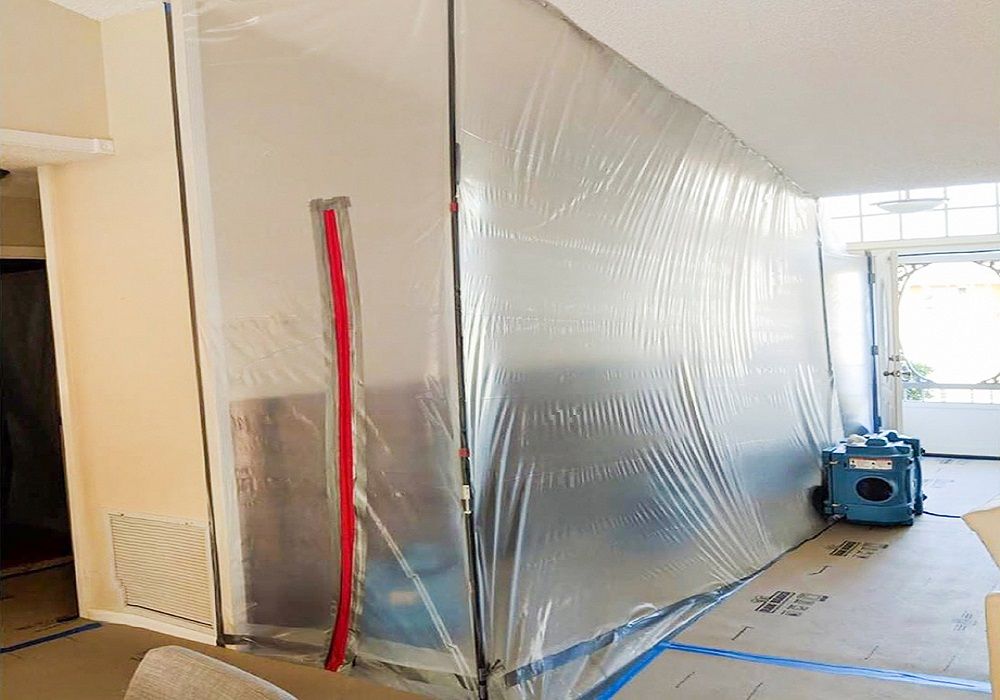
Proper containment procedures prevent cross-contamination during the remediation process, protecting unaffected areas of your home from mold spore spread. Professional remediation companies establish physical barriers using plastic sheeting and create negative air pressure within the work area to ensure airborne spores don’t migrate to clean spaces. They also utilize air scrubbers with HEPA filtration to capture airborne particulates released during the removal process.
The physical removal techniques should be appropriate to the materials involved and extent of contamination. Sometimes surface cleaning with antimicrobial agents suffices, while in other cases, porous materials with extensive mold colonization require complete removal and replacement. Quality professionals explain which approach they’re using and why it’s appropriate for your specific situation. For more detailed insights, you might wonder what to expect to pay for professional mold remediation in Tampa.
Post-Remediation Verification Testing
Verification testing after remediation completion provides objective confirmation that the mold problem has been successfully resolved. This typically involves air sampling within the remediated area, comparing spore counts to outdoor baseline levels and samples from unaffected areas of the home. Professional remediation companies engage independent third-party testing agencies for this verification, ensuring unbiased results.
This final testing step serves as quality assurance for the remediation work and provides documentation that your home has been returned to a normal fungal ecology. Reputable companies stand behind their work, often offering guarantees contingent on successful clearance testing. They should provide detailed reports of these results, explaining what they mean in clear, non-technical language.
Moisture Source Identification and Correction
- Comprehensive leak detection for plumbing and roof systems
- Humidity control assessments and recommendations
- Drainage evaluation around the home’s foundation
- Ventilation adequacy in bathrooms, kitchens, and attic spaces
- HVAC system inspection for condensation issues
True remediation success depends on addressing the underlying moisture problems that enabled mold growth in the first place. Quality remediation professionals function as moisture detectives, tracing water intrusion to its source and recommending corrections. Without this critical step, mold will likely return regardless of how thorough the removal efforts were.
The best remediation companies either provide these moisture correction services directly or work closely with appropriate contractors to ensure the issues are properly addressed. They explain the relationship between the moisture source and the mold problem in clear terms, helping homeowners understand the complete remediation picture.
Some companies offer ongoing moisture monitoring services after remediation completion, using remote sensors to alert homeowners to developing moisture issues before they lead to new mold growth. This proactive approach is particularly valuable in Tampa’s challenging climate, where moisture management requires consistent attention.
Cost Breakdown: What to Expect for Tampa Bay Mold Remediation
Remediation costs vary widely based on multiple factors, making it difficult to provide one-size-fits-all pricing. Understanding the components that influence pricing helps homeowners budget appropriately and recognize when estimates reflect the true scope of necessary work. For more details on what to expect to pay for professional mold remediation in Tampa, it’s important to consider all aspects. While price shopping is natural, extremely low estimates often indicate corners being cut that compromise remediation effectiveness.
Most professional remediation companies offer free or low-cost initial consultations but charge for comprehensive mold testing if needed. These testing costs typically range from $300-$700 depending on the number of samples required to assess your situation properly. While this represents an upfront expense, proper testing ensures the remediation plan targets the actual problem rather than just visible symptoms.
Average Price Ranges for Different Home Sizes
Small, localized remediation projects (single bathroom or small area under 10 square feet) typically range from $500-$1,500 in the Tampa area. Medium-sized projects involving a room or two (10-100 square feet) generally cost between $1,500-$5,000, while large-scale remediation involving multiple rooms or systems can range from $5,000-$10,000+. Whole-house remediation for severe infestations, particularly after flooding events, can exceed $10,000-$25,000 depending on square footage and construction complexity.
Additional Costs for Specialized Situations
- HVAC system decontamination: $2,000-$6,000
- Crawlspace remediation with encapsulation: $3,000-$8,000
- Attic remediation with improved ventilation: $3,000-$7,000
- Structural repairs to mold-damaged materials: Varies widely
- Biocide treatments for persistent species: $200-$600 additional
Certain scenarios require specialized approaches that affect overall costs. Remediation involving HVAC systems typically costs more due to the complexity of thoroughly cleaning ductwork and system components. Similarly, attic and crawlspace remediation often incurs higher costs due to access difficulties and the specialized equipment needed to work safely in these environments.
Properties with historical significance or high-end finishes present unique remediation challenges that can increase costs. Custom materials or specialized restoration techniques may be necessary to maintain the home’s character and value while effectively addressing mold issues. These situations require remediation companies with experience in preservation-sensitive approaches.
Emergency remediation services, particularly after hours or during holiday periods, typically include premium charges. While these higher costs can be frustrating, immediate intervention following water intrusion often prevents much larger expenses by stopping mold establishment before it begins. For those concerned about mold presence, it is crucial to know how to check for mold in your Tampa home. Most companies offer detailed documentation to support insurance claims for these emergency services.
The containment requirements for different remediation scenarios also influence costs. Projects requiring extensive negative pressure barriers, specialized filtration equipment, or personal protective equipment add to the overall project expense. These containment measures are essential safety protocols, not optional add-ons, and should be included in any legitimate remediation estimate.
Insurance Coverage for Mold Remediation in Florida
Florida homeowners insurance policies have evolved significantly regarding mold coverage, with many carriers now imposing strict limitations. Typical policies might cap mold-related coverage at $10,000, with some offering as little as $2,500 in protection. Coverage typically depends on the cause of the mold—damage resulting from sudden and accidental water events (like burst pipes) is more likely to be covered than mold stemming from long-term humidity issues or maintenance neglect.
Working with remediation companies familiar with Florida insurance practices can significantly improve your chances of successful claims. These companies provide the detailed documentation, photographs, and moisture mapping that insurance adjusters require to process claims efficiently. Some even offer direct insurance billing options, reducing out-of-pocket expenses for homeowners while ensuring proper remediation protocols are followed.
The Professional Remediation Process Explained
Understanding what happens during professional mold remediation helps homeowners prepare for the process and recognize quality work. Unlike simple cleaning, proper remediation follows a structured protocol designed to completely eliminate mold colonies while preventing cross-contamination. This systematic approach ensures that remediation efforts address both visible mold and microscopic spores that could lead to future growth.
When done correctly, professional remediation minimizes disruption to your household while maximizing effectiveness. The entire process typically spans several days to weeks, depending on the extent of contamination and the specific remediation approaches required. Each step builds on the previous one, creating a comprehensive solution rather than a temporary fix.
Initial Assessment and Testing
The remediation process begins with a thorough inspection to determine the full extent of mold contamination and identify underlying moisture sources. Professional inspectors use specialized equipment including moisture meters, thermal imaging cameras, and sometimes fiber optics to examine concealed spaces. This assessment establishes baseline conditions through air and surface sampling, identifying the specific mold species present and their concentration levels.
Based on these findings, remediation professionals develop a detailed action plan tailored to your home’s specific conditions. This plan outlines the areas requiring treatment, appropriate remediation methods, containment needs, and estimated timeline. Quality companies provide this written plan before beginning work, ensuring homeowners understand exactly what will happen during the remediation process.
Containment Setup to Prevent Cross-Contamination
Before any mold disturbance occurs, professional remediators establish containment systems to prevent spores from spreading to unaffected areas. These systems typically include plastic sheeting barriers, negative air pressure equipment, and HEPA air scrubbers for worker entry and exit.
Air filtration devices with HEPA filters are positioned strategically within the containment area to capture airborne spores released during the removal process. These machines run continuously throughout remediation, gradually reducing airborne spore counts while protecting workers and unaffected household areas. The specific containment approach scales according to the project size, with larger or more severe infestations requiring more extensive containment measures.
Removal and Cleaning Procedures
The physical removal phase addresses contaminated materials using appropriate techniques for each surface type. Non-porous materials like glass, metal, and hard plastics can typically be cleaned in place using antimicrobial solutions. Semi-porous materials sometimes respond to deep cleaning methods like sanding or abrasive blasting followed by antimicrobial treatment. Porous materials with extensive mold infiltration—including drywall, carpeting, and some insulation types—generally require complete removal and replacement since mold penetrates deeply into these structures. For more information on mold removal and inspection, visit TampaBayMold.net.
Throughout the removal process, HEPA vacuums capture loose spores and debris, preventing their release into the air. All materials removed from the contamination zone are sealed in plastic bags before transport through the home, maintaining containment integrity. After visible mold removal, professionals apply specialized cleaning agents to affected surfaces, addressing microscopic residue that could otherwise restart the growth cycle. For comprehensive services in the area, consider Mold Removal and Inspection Tampa FL.
Preventative Treatments
Once cleaning is complete, professionals often apply preventative treatments to discourage future mold growth. These might include antimicrobial sealants for structural materials, mold-resistant paints, or moisture-inhibiting products in areas prone to humidity. The specific preventative approaches depend on your home’s construction, the remediated areas, and the underlying moisture factors that contributed to the original problem.
Some companies offer ongoing preventative services like quarterly inspections or moisture monitoring systems that alert homeowners to developing conditions before mold can establish. These proactive measures are particularly valuable in Tampa’s challenging climate, where consistent humidity management is essential for long-term mold prevention.
DIY vs. Professional Mold Removal: Why Experts Matter in Tampa
The temptation to handle mold problems personally is understandable, especially for budget-conscious homeowners facing small-scale contamination. However, Tampa’s unique climate factors create significant challenges for DIY approaches, often resulting in incomplete remediation that allows mold to return rapidly. Understanding these limitations helps homeowners make informed decisions about when professional intervention becomes necessary.
While surface cleaning might temporarily improve appearances, it rarely addresses the full extent of contamination or the underlying moisture sources. Professional remediation provides comprehensive solutions that eliminate current problems while preventing recurrence—value that typically outweighs the initial cost difference between DIY and professional approaches.
Limitations of DIY Approaches in High-Humidity Environments
Tampa’s persistent humidity creates special challenges that most DIY methods can’t adequately address. Over-the-counter cleaning products typically affect only surface mold, leaving microscopic spores within porous materials that quickly regenerate colonies when humidity rises. Without proper containment, DIY cleaning often spreads spores throughout the home, potentially creating new problem areas while attempting to address the original contamination.
The standard household ventilation techniques recommended in many DIY guides prove inadequate in Tampa’s climate, where outdoor air often carries higher moisture levels than indoor air. This can inadvertently increase interior humidity during remediation attempts, creating more favorable conditions for mold growth rather than reducing contamination. Professional remediation accounts for these regional factors, utilizing specialized dehumidification and filtration equipment designed specifically for Florida’s challenging conditions. For more information on effective strategies, check out mold prevention techniques for Florida’s humid climate.
Equipment Differences That Impact Results
Professional remediation utilizes commercial-grade equipment rarely available to homeowners, including HEPA air scrubbers capable of capturing particles down to 0.3 microns, industrial-strength dehumidifiers, specialized containment systems, and professional-grade antimicrobial solutions. This equipment dramatically improves remediation effectiveness compared to household alternatives, particularly in Tampa’s high-humidity environment where comprehensive spore removal becomes essential for lasting results.
Testing equipment represents another significant difference between DIY and professional approaches. Professional remediators use calibrated moisture meters, thermal imaging cameras, particle counters, and laboratory analysis to precisely identify problem areas and verify remediation success. These objective measurements ensure that remediation decisions rest on scientific data rather than visual assessment alone, preventing the incomplete remediation that commonly plagues DIY attempts.
Hidden Mold Detection Capabilities
Perhaps the most significant advantage of professional remediation lies in the ability to detect hidden mold growth that DIY approaches typically miss. Mold frequently establishes behind walls, under flooring, above ceilings, or within HVAC systems—areas not visible during casual inspection but readily identified through professional assessment techniques. These concealed colonies often represent the majority of contamination in a home, continuing to release spores and mycotoxins even after visible mold has been addressed.
Professional inspectors combine specialized tools with extensive experience recognizing subtle indicators of hidden contamination. They understand how building materials and systems interact with moisture in Tampa’s climate, allowing them to identify probable problem areas that homeowners might overlook. This comprehensive detection capability ensures remediation addresses the entire problem rather than just its visible manifestations.
Preventing Future Mold Problems in Your Tampa Home
Effective mold prevention requires understanding how Tampa’s unique climate interacts with your home’s specific construction and systems. While remediation addresses existing contamination, prevention strategies create conditions that discourage future mold establishment. Implementing these approaches after remediation helps maintain your investment in a healthy home environment.
Prevention typically costs significantly less than remediation while providing ongoing protection against both the financial burden and health impacts of mold contamination. Many preventative measures also improve energy efficiency and home comfort, creating multiple benefits beyond mold resistance.
Humidity Control Solutions for Florida’s Climate
Maintaining indoor humidity below 60% represents the single most effective mold prevention strategy for Tampa homes. Standard air conditioning provides some dehumidification, but many homes require supplemental dehumidification, particularly during spring and fall when temperatures moderate but humidity remains high. Whole-house dehumidifiers integrated with HVAC systems offer comprehensive protection, while portable units can address specific problem areas like basements or enclosed patios.
Smart humidity monitoring systems provide early warning of developing moisture issues, allowing for prompt intervention before conditions become favorable for mold growth. These systems track humidity patterns throughout the home, identifying problem areas that might otherwise go unnoticed until mold appears. Some advanced systems can automatically activate dehumidifiers or adjust HVAC settings when humidity exceeds target levels. For professional help, consider mold removal and inspection services in Tampa.
Addressing exterior water management also significantly impacts indoor humidity levels. Properly functioning gutters, downspouts directed away from the foundation, and appropriate landscape grading prevent water intrusion that can raise interior humidity. Similarly, maintaining exterior caulking and weatherstripping prevents humid air infiltration during Tampa’s frequent rain events.
Specific areas like bathrooms, kitchens, and laundry rooms require particular attention in humidity management. Exhaust fans vented to the exterior (not into attics) should operate during moisture-producing activities and continue for 20-30 minutes afterward to remove excess humidity. Ensuring proper dryer venting and regularly checking for leaks under sinks or around appliances prevents localized moisture accumulation.
- Install whole-house or area-specific dehumidifiers appropriate for your square footage
- Maintain HVAC systems with regular professional inspections
- Monitor indoor humidity with hygrometers in multiple locations
- Use bathroom exhaust fans rated for your bathroom’s square footage
- Consider vapor barriers in crawlspaces and encapsulation where appropriate
Proper Ventilation Systems
Balanced ventilation systems play a crucial role in managing Tampa’s humidity challenges while maintaining healthy indoor air quality. These systems remove moisture-laden air from interior spaces while introducing controlled amounts of conditioned fresh air. Energy recovery ventilators (ERVs) specifically designed for humid climates exchange temperature and humidity between outgoing and incoming air streams, improving efficiency while reducing indoor humidity levels.
Regular Maintenance Checks
Establishing a regular maintenance schedule helps identify potential moisture issues before they create conditions favorable for mold growth. Quarterly inspections of areas prone to moisture problems—including attics, crawlspaces, water heater enclosures, under sinks, and around windows—can catch developing issues early. Similarly, seasonal maintenance of HVAC systems, including condensate drain lines, coil cleaning, and filter replacement, prevents system-related moisture problems while improving energy efficiency.
Post-Storm Inspection Importance
Tampa’s vulnerability to tropical storms and hurricanes creates special mold prevention challenges requiring prompt action after severe weather. Even minor roof damage or window leaks during these events can introduce significant moisture into the home, creating ideal conditions for rapid mold growth. Professional post-storm inspections can identify hidden moisture intrusion that might otherwise go undetected until mold becomes established.
Following water intrusion events, professional water extraction and structural drying within 24-48 hours prevents mold establishment in affected materials. This rapid response often eliminates the need for more extensive remediation later, saving both money and disruption. Companies that offer emergency response services can provide this critical immediate intervention when storms strike Tampa Bay.
Making Your Final Decision: How to Choose the Right Service for Your Situation
Selecting the right remediation provider requires evaluating multiple factors beyond simple price comparison. The quality of the remediation directly impacts your family’s health and your home’s long-term condition, making this decision particularly significant. Taking time to thoroughly assess potential providers before making your selection typically results in better remediation outcomes and greater satisfaction with the process. For those in the Clearwater area, Expertise.com offers a comprehensive list of top-rated mold remediation services.
Consider gathering quotes from at least three reputable companies to understand the range of approaches and pricing available for your specific situation. These consultations provide valuable education about your mold issues while helping you identify the provider whose expertise and communication style aligns with your needs.
Questions to Ask Before Hiring
Preparing specific questions before meeting with potential remediation providers helps ensure you gather the information needed for informed decision-making. These inquiries should cover the company’s qualifications, their specific approach to your situation, and the protections they offer throughout the remediation process. Quality companies welcome these questions and provide clear, detailed responses that demonstrate their expertise and commitment to customer education. For guidance on how to make an informed choice, consider reading about choosing a reliable mold inspection company in Tampa Bay.
- What specific licenses and certifications do your technicians hold?
- Will you provide a detailed written remediation plan before beginning work?
- How do you handle hidden mold discovered during the remediation process?
- What containment procedures will you implement to protect unaffected areas?
- Do you conduct post-remediation verification testing through an independent third party?
- What warranties or guarantees do you offer on your remediation work?
- Can you provide references from similar remediation projects in Tampa?
Understanding the company’s approach to identifying and addressing underlying moisture issues proves particularly important for lasting remediation success. Ask specifically about their moisture source identification process and whether their remediation plan includes addressing these fundamental causes rather than simply removing visible mold.
Insurance navigation represents another crucial consideration when selecting a remediation provider. Companies experienced with Florida insurance requirements can significantly simplify the claims process, providing appropriate documentation and sometimes even advocating on your behalf with adjusters. This expertise often determines whether remediation costs receive coverage under your policy.
Red Flags to Watch For
Certain provider practices suggest potentially problematic remediation approaches that might compromise results or create unnecessary expenses. Companies offering mold removal without inspection or testing may lack the thoroughness needed for effective remediation. Similarly, those providing telephone quotes without on-site assessment cannot accurately gauge the full extent of contamination or appropriate remediation approaches.
Be wary of companies promising extremely quick remediation timelines that seem inconsistent with the contamination extent, as proper remediation requires sufficient time for thorough removal and drying. Companies unable or unwilling to provide references from similar Tampa projects may lack regional experience with Florida’s specific mold challenges. The absence of written contracts detailing exactly what services will be performed represents another significant warning sign of potentially unprofessional operations.
Timeline Expectations for Effective Remediation
Understanding realistic timeframes helps homeowners plan appropriately while recognizing when proposed schedules might compromise remediation effectiveness. The initial assessment and testing phase typically requires 2-3 days, including laboratory analysis of collected samples. Containment setup generally takes 1-2 days depending on the affected area’s size and complexity, while the active remediation process for moderate contamination typically spans 3-7 days. Drying and clearance testing add another 2-4 days before restoration work can begin.
Various factors can extend these timelines, including the discovery of additional contamination during remediation, the need for structural repairs, or challenges accessing contaminated areas. Quality remediation companies communicate these developments promptly, explaining why additional time becomes necessary and how it contributes to remediation success. While extended timelines can prove frustrating, rushing the process typically results in incomplete remediation that fails to resolve the underlying problems.
Frequently Asked Questions
Tampa homeowners frequently share common concerns about the remediation process, its implications for their households, and what to expect throughout the experience. Addressing these questions helps alleviate anxiety while setting realistic expectations for the remediation journey. The following responses reflect standard industry practices while acknowledging the specific challenges Tampa’s climate presents.
Understanding these practical aspects of remediation helps homeowners prepare properly, coordinate with remediation professionals effectively, and maintain appropriate expectations throughout the process. This knowledge empowers informed decision-making while reducing the stress often associated with home remediation projects.
How long does professional mold remediation typically take in Tampa Bay?
Professional remediation timelines vary significantly based on contamination extent, affected materials, and underlying moisture issues. Small, localized projects might complete within 3-5 days, while moderate whole-room remediation typically requires 5-10 days from initial assessment through clearance testing. Extensive remediation addressing multiple rooms or systems often spans 1-2 weeks, particularly when structural repairs become necessary.
Tampa’s high humidity levels sometimes extend drying phases beyond standard timeframes, as materials require more thorough dehumidification before restoration can proceed. Quality remediation companies account for these regional factors in their project timelines, ensuring sufficient drying time rather than rushing to completion at the expense of effectiveness.
“The timeline for mold remediation is directly proportional to the thoroughness of the process. While it’s natural to want rapid completion, proper remediation cannot be rushed without compromising results. Each phase—assessment, containment, removal, cleaning, drying, and verification—requires adequate time to ensure lasting effectiveness.”
Many remediation companies offer accelerated emergency services for situations involving active water intrusion or where health impacts are particularly severe. These rapid-response approaches focus on immediate containment and moisture control while developing longer-term remediation plans, providing a balanced approach to urgent situations. For those dealing with mold in humid climates, understanding mold prevention techniques can be crucial.
Is mold remediation covered by homeowners insurance in Florida?
Florida insurance coverage for mold remediation typically depends on the contamination’s cause rather than the mold itself. Sudden and accidental water events like burst pipes, roof leaks during storms, or appliance failures usually receive coverage when promptly reported. However, long-term moisture issues, maintenance neglects, or flooding typically face exclusion or significant coverage limitations under standard policies. For more information on how to deal with mold issues, learn about what happens if you live in a house with mold.
Most Florida homeowners policies now include specific mold coverage caps, typically ranging from $2,500 to $10,000 regardless of the total remediation cost. These caps apply specifically to mold-related expenses rather than the underlying water damage, which might receive more comprehensive coverage. Some insurers offer expanded mold coverage riders for additional premiums, providing valuable protection in Tampa’s high-humidity environment.
- Document all water intrusion events immediately with dated photographs
- Report potential claims promptly, even if unsure about coverage
- Maintain records of all moisture-related home maintenance
- Consider specialized mold coverage riders if available
- Work with remediation companies experienced in insurance documentation
The specific language in your policy determines coverage eligibility, making careful review essential when facing potential remediation needs. Many remediation companies offer insurance review services to help identify potential coverage before beginning work, sometimes identifying policy provisions that homeowners might otherwise overlook.
Can I stay in my home during the mold remediation process?
Whether you can remain in your home during remediation depends primarily on the contamination’s extent and your household’s specific health sensitivities. Small, well-contained remediation projects affecting limited areas (like a single bathroom) often allow continued occupancy of unaffected spaces. However, extensive remediation involving multiple rooms, HVAC systems, or requiring whole-house containment typically necessitates temporary relocation for both safety and practical reasons. If you’re curious about what to expect to pay for professional mold remediation, this guide can provide more insights.
Individuals with asthma, allergies, immune compromises, or respiratory conditions should generally vacate during active remediation regardless of the project’s size. Children, elderly individuals, and pregnant women also face increased vulnerability to airborne contaminants that might escape even well-designed containment systems. Quality remediation professionals will provide specific recommendations based on your household’s composition and the remediation scope.
When temporary relocation becomes necessary, homeowners insurance sometimes covers alternative living expenses depending on the cause of the mold contamination and your specific policy provisions. Reviewing these coverage details before remediation begins helps families prepare financially for potential relocation costs and understand what documentation the insurance company requires for reimbursement claims. For those wondering what to expect to pay for professional mold remediation in Tampa, understanding these costs can be crucial.
How soon after water damage should I call a mold remediation service?
In Tampa’s warm, humid climate, mold can begin growing on water-damaged materials within 24-48 hours after moisture exposure. This rapid colonization makes immediate response essential following any significant water intrusion event. Professional water extraction and structural drying within this critical window often prevents mold establishment entirely, eliminating the need for more extensive remediation later.
What’s the difference between mold remediation and mold removal?
“Mold removal” suggests the complete elimination of all mold spores from an environment—a technically impossible claim since mold spores exist naturally everywhere in our environment. Professional “mold remediation” represents the scientifically accurate approach, focusing on removing active growth, reducing spore counts to normal background levels, and addressing underlying moisture issues that enabled growth initially.
Companies advertising “complete mold removal” or making claims about eliminating all mold from your home often misrepresent what’s scientifically possible, raising questions about their technical knowledge and approach accuracy. Legitimate remediation companies use precise language reflecting the actual goals: removing active growth, addressing moisture sources, and returning the indoor environment to normal fungal ecology. For example, TampaBayMold.net provides detailed information about their approach to mold remediation.
Quality remediation services include post-remediation verification testing comparing indoor spore types and concentrations to outdoor baseline levels. This testing confirms successful remediation by demonstrating normal indoor fungal ecology rather than making impossible claims about complete spore elimination. TampaBayMold.net can provide this comprehensive remediation approach, ensuring your Tampa home receives effective, science-based mold solutions that protect both your property and your family’s health.