
What Are The Signs Of Mold Sickness? Symptoms, Signs, & Health Effects
Key Takeaways
- Mold exposure can cause respiratory symptoms including coughing, wheezing, and sinus congestion, with symptoms ranging from mild to severe depending on individual sensitivity.
- People with existing allergies, asthma, compromised immune systems, and chronic lung conditions face higher risks of developing serious health complications from mold exposure.
- Mold can trigger neurological symptoms like headaches, brain fog, and even mood changes that many people don’t initially connect to mold exposure.
- Some dangerous molds produce mycotoxins that can cause systemic health effects throughout the body, potentially leading to long-term health issues.
- Early identification of mold sickness symptoms and proper remediation of mold sources are critical for preventing chronic health problems.
Mold Sickness: Warning Signs You Shouldn’t Ignore
Mold sickness often goes undiagnosed, with symptoms mistaken for common allergies or cold. Identifying the signs early can save you from developing chronic health issues and potentially dangerous complications. This comprehensive guide from health specialists explores the full spectrum of mold exposure symptoms, helping you determine if that persistent cough or unexplained fatigue might be linked to hidden mold in your environment.
The health effects of mold exposure can range from mild irritation to severe, life-threatening conditions depending on several factors, including the type of mold, exposure duration, and your personal sensitivity. What makes mold particularly troublesome is its ability to grow virtually anywhere moisture is present, often hidden behind walls, under floors, or in ventilation systems where you can’t easily see it.
How Mold Exposure Affects Your Body
Mold impacts your health through three primary mechanisms. First, mold spores act as allergens, triggering immune responses similar to pollen allergies. Second, certain molds produce irritants that affect your respiratory tract and skin upon contact. Third, and most concerning, some mold species release mycotoxins—potent compounds that can cause severe health effects throughout your body systems.
Your body’s initial reaction to mold typically begins when you inhale or touch mold spores. These microscopic particles trigger an immune response, particularly in sensitive individuals. The reaction can be immediate or delayed, with symptoms developing over time as exposure continues. For people with existing respiratory conditions or compromised immune systems, even small amounts of mold can trigger significant health problems.
Common vs. Severe Symptoms
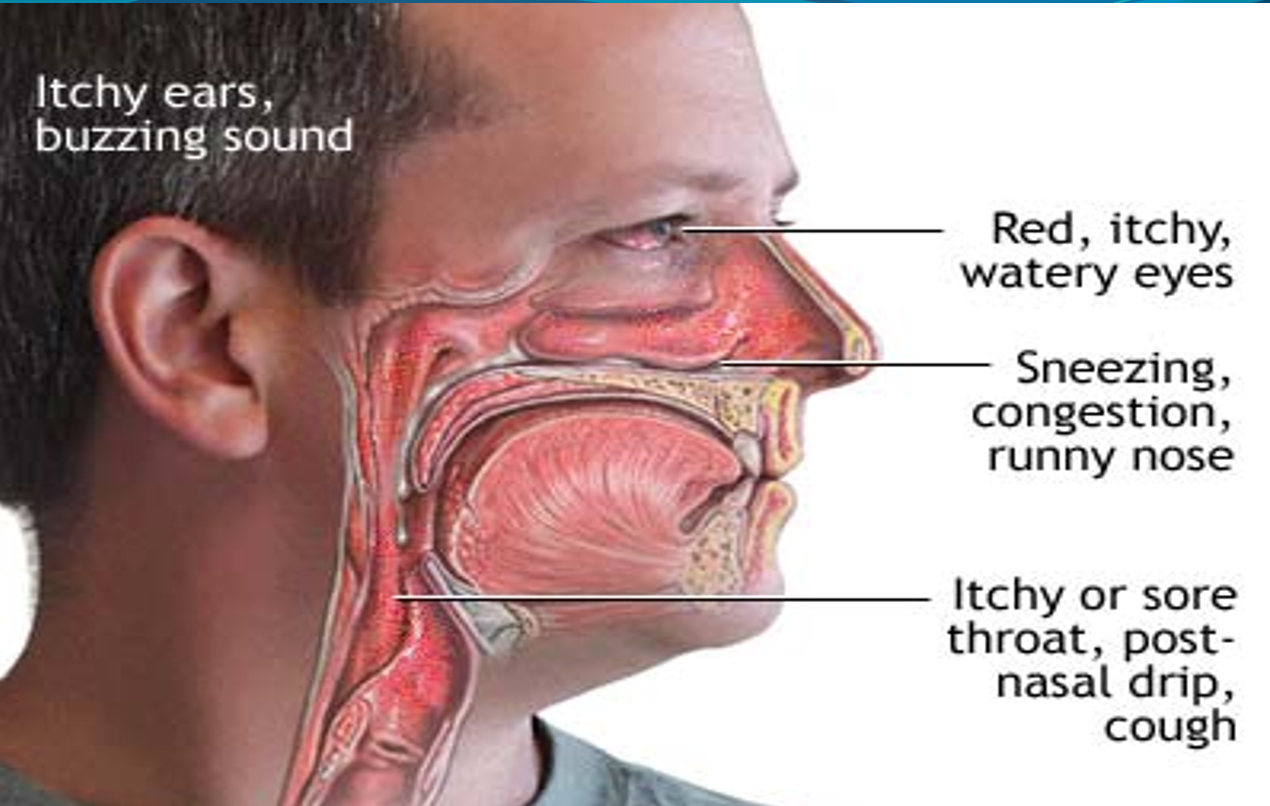
Most people experience mild to moderate symptoms when exposed to mold. These typically include allergic reactions such as sneezing, runny nose, red eyes, and skin rash—similar to hay fever responses. These common symptoms often come and go depending on your proximity to mold sources and may improve when you leave affected environments.
Severe symptoms represent a more serious health concern and warrant immediate medical attention. These include fever, shortness of breath, severe coughing, chest tightness, and in extreme cases, anaphylaxis. Particularly concerning are symptoms associated with black mold (Stachybotrys chartarum) exposure, which may produce mycotoxins linked to more serious health complications. If you experience severe symptoms, especially breathing difficulties or rapid onset of symptoms, seek medical care immediately.
The line between common and severe symptoms isn’t always clear. Some people might experience what seems like mild symptoms that gradually worsen over time, potentially indicating ongoing exposure to toxic mold. This progressive nature of mold sickness makes it particularly important to recognize the early warning signs.
Who’s Most at Risk for Mold-Related Illness
While anyone can develop reactions to mold, certain groups face significantly higher risks. Individuals with existing allergies or asthma often experience more severe reactions when exposed to mold spores. Their immune systems are already primed to overreact to environmental triggers, making mold exposure particularly problematic.
People with compromised immune systems—including those with HIV/AIDS, cancer patients undergoing chemotherapy, organ transplant recipients, or those taking immunosuppressant medications—face serious risks from mold exposure. For these individuals, certain molds can cause dangerous lung infections and systemic health problems that may become life-threatening. Similarly, people with chronic lung diseases such as COPD or pulmonary fibrosis may experience significant worsening of their condition when exposed to mold.
High-Risk Groups for Mold Illness:
• Infants and young children
• Elderly individuals
• People with existing respiratory conditions
• Those with compromised immune systems
• Individuals with mold allergies
• People with chronic lung diseases
Respiratory Symptoms of Mold Exposure
Respiratory issues are often the first and most common indication of mold exposure. Your respiratory tract provides the primary entry point for mold spores, making your lungs and airways particularly vulnerable. Because these symptoms resemble common colds or seasonal allergies, many people don’t initially connect them to potential mold problems in their environment.
Persistent Coughing and Wheezing
One of the most common respiratory symptoms of mold exposure is a persistent cough that doesn’t respond to typical cold medications. This cough often feels different from a standard cold or flu cough—it may be dry and hacking or produce clear mucus rather than colored phlegm. The coughing typically worsens when you’re in mold-contaminated environments and may improve when you leave these spaces.
Wheezing—a high-pitched whistling sound when breathing—often accompanies the cough in mold-exposed individuals. This indicates narrowing or inflammation in the airways, a direct response to mold spore irritation. For people with asthma, this wheezing may be the first sign that mold is triggering their condition, even before other symptoms appear.
Nasal Congestion and Sinus Problems
Mold exposure frequently causes nasal congestion, runny nose, and post-nasal drip that persists for weeks or months. Unlike seasonal allergies that follow predictable patterns, mold-related sinus issues often continue year-round, especially if the mold source is inside your home. Many people describe a feeling of constant stuffiness that never fully resolves with over-the-counter allergy medications.
Chronic sinusitis—inflammation of the sinus cavities—represents a more serious progression of these symptoms. This condition can cause facial pain or pressure, reduced sense of smell, and thick nasal discharge. When sinusitis persists despite antibiotic treatment, hidden mold exposure should be considered as a potential cause.
Throat Irritation and Difficulty Breathing
A persistently sore or scratchy throat often accompanies other respiratory symptoms of mold exposure. The irritation typically feels worse in the morning or after spending time in affected areas. This throat irritation results from both direct contact with mold spores and from post-nasal drip carrying inflammatory substances from the sinuses to the throat.
More concerning is when mold exposure leads to difficulty breathing or shortness of breath, especially during physical activity. This symptom indicates that inflammation has spread to the lower respiratory tract and lungs. Anyone experiencing breathing difficulties should seek immediate medical attention, as this can quickly become dangerous, particularly for those with underlying respiratory conditions.
Worsening Asthma Symptoms
For people with asthma, mold exposure often triggers more frequent and severe asthma attacks. Studies show that damp, moldy environments are strongly associated with asthma development in children and worsening symptoms in those already diagnosed. Asthma sufferers may notice they need their rescue inhaler more frequently or that their maintenance medications no longer control symptoms effectively.
The relationship between mold and asthma is so significant that removing children from mold-contaminated environments often results in substantial improvement in their asthma control. If asthma symptoms suddenly worsen without other obvious triggers, investigating potential mold sources should be a priority.
Skin and Eye Reactions to Mold
Beyond respiratory issues, mold exposure commonly affects the skin and eyes—two systems directly exposed to environmental irritants. These symptoms often develop alongside respiratory problems but may sometimes appear on their own, making the connection to mold less obvious to sufferers.
Rashes and Skin Irritation
Mold exposure can trigger various skin reactions, from mild redness to severe rashes. Contact dermatitis—developing where skin directly touches mold or mold-contaminated materials—appears as red, itchy, sometimes painful patches that may blister or weep fluid. Another common reaction is atopic dermatitis (eczema), which causes dry, scaly, intensely itchy skin that can become infected if scratched.
Skin reactions to mold often have a distinctive pattern—they typically worsen in mold-heavy environments and improve when away from these spaces. They may also appear in unusual body locations not typically affected by other forms of dermatitis. Unexplained skin issues that don’t respond to standard treatments should prompt consideration of environmental triggers like mold.
Itchy, Red, or Watery Eyes
Eye irritation represents another common mold reaction, with symptoms including redness, itching, excessive tearing, and a burning sensation. Some people describe feeling like they constantly have something in their eyes. These symptoms result from direct contact with airborne mold spores and often worsen in environments with higher mold concentrations.
More severe eye reactions can include conjunctivitis (pink eye) that doesn’t respond to antibiotic eye drops, suggesting an allergic rather than infectious cause. Persistent eye symptoms warrant medical evaluation, as prolonged inflammation can potentially damage eye structures over time. For more information on mold-related allergies, visit this mold allergy guide.
How to Tell if Your Skin Issues Are Mold-Related
Distinguishing mold-related skin problems from other skin conditions can be challenging. One key indicator is the timing and pattern of symptoms—do they worsen in certain environments or improve when you’re away from home or specific buildings? Keeping a symptom diary that tracks when and where skin issues flare up can help identify patterns suggesting mold exposure.
Another clue is when skin problems occur alongside other mold-related symptoms like respiratory issues or headaches. This constellation of symptoms affecting multiple body systems is more suggestive of an environmental trigger like mold rather than a primary skin condition. If treatments prescribed for common skin conditions aren’t effective, consider asking your healthcare provider about possible environmental causes including mold exposure.
Neurological and Cognitive Effects
While respiratory symptoms receive the most attention, mold exposure can significantly impact neurological function and cognitive performance. These effects stem primarily from inflammatory responses and potential neurotoxic properties of certain mold-produced mycotoxins. Unfortunately, these symptoms are often attributed to stress, aging, or other conditions, leaving the true cause—mold exposure—unaddressed.
Research increasingly supports the connection between mold exposure and neurological symptoms. Studies show that mycotoxins can cross the blood-brain barrier and directly affect brain function. Additionally, the immune system’s inflammatory response to mold can indirectly impact brain function, creating a complex web of neurological symptoms that can be difficult to diagnose.
Headaches and Migraines
Persistent or recurring headaches represent one of the most common neurological manifestations of mold exposure. These headaches often have distinctive characteristics—they may feel different from your typical headaches, prove resistant to standard pain relievers, and frequently occur or intensify when in mold-contaminated environments. For some individuals, mold exposure can trigger severe migraines accompanied by visual disturbances, nausea, and extreme sensitivity to light and sound.
Brain Fog and Memory Problems
Many mold-exposed individuals report cognitive difficulties collectively known as “brain fog.” This includes trouble concentrating, difficulty finding words, short-term memory problems, and general mental sluggishness. These symptoms can significantly impact work performance, academic achievement, and daily functioning.
Neuropsychological testing of individuals with mold exposure often reveals measurable deficits in information processing speed, attention, and memory—confirming that these cognitive complaints have objective physiological bases. Importantly, studies have shown that these cognitive deficits often improve when individuals are removed from moldy environments and undergo appropriate treatment, suggesting that the effects, while serious, may be reversible if addressed promptly.
Mood Changes and Depression
Mold exposure has been linked to significant mood disturbances including irritability, anxiety, and depression. The biological mechanisms likely involve both direct effects of mycotoxins on brain chemistry and the psychological impact of dealing with chronic, unexplained illness. The inflammatory response triggered by mold exposure can affect neurotransmitter function, potentially altering mood regulation systems in the brain.
A concerning aspect of mold-related mood changes is their resistance to standard psychiatric treatments. Individuals may find that antidepressants or anxiety medications provide limited relief until the underlying mold exposure is addressed. This treatment-resistant pattern can be a clue that environmental factors like mold might be contributing to psychiatric symptoms.
Sleep Disturbances Linked to Mold
Insomnia, restless sleep, vivid nightmares, and unrefreshing sleep commonly occur with mold exposure. These sleep disruptions likely result from both physical symptoms (such as coughing or congestion) and direct neurological effects of mold toxins. The resulting sleep deprivation can worsen all other symptoms, creating a cycle of deteriorating health that significantly impacts quality of life.
Medications That Help Relieve Symptoms
Treatment for mold-related illness typically begins with medications that target specific symptoms. Antihistamines like cetirizine or loratadine can reduce allergic responses including sneezing, itching, and runny nose. For more severe allergic reactions, your doctor might prescribe nasal corticosteroids such as fluticasone or mometasone to reduce inflammation in your nasal passages and sinuses. These medications work by suppressing the immune system’s overreaction to mold allergens.
For respiratory symptoms, bronchodilators may be prescribed to open airways and improve breathing, particularly for those with asthma or other breathing difficulties. Decongestants can temporarily relieve nasal stuffiness, though they’re not recommended for long-term use. For skin reactions, topical corticosteroids often help reduce inflammation and itching. It’s important to understand that while these medications can provide relief, they treat only the symptoms—not the underlying cause of mold exposure.
Detoxification Approaches
Once removed from mold exposure, many patients benefit from detoxification protocols to help their bodies eliminate mycotoxins. Binders like activated charcoal, bentonite clay, or prescription cholestyramine can help trap mycotoxins in the digestive tract for elimination. These substances work by binding to toxins in the intestines, preventing reabsorption and facilitating excretion through normal bowel movements. Your healthcare provider should closely monitor any detoxification program to ensure it’s appropriate for your specific situation.
Supporting liver function is another critical component of mold detoxification, as the liver bears much of the burden of processing and eliminating toxins. Supplements like milk thistle, N-acetyl cysteine (NAC), and glutathione may support this process. Adequate hydration, regular exercise, and nutritional support with antioxidant-rich foods can further enhance the body’s natural detoxification mechanisms. Some practitioners also recommend sauna therapy to promote toxin elimination through sweat, though evidence for this specific to mold toxins remains limited.
Recovery Timeline: What to Expect
Recovery from mold-related illness varies significantly depending on exposure duration, toxin levels, individual health factors, and how quickly the mold source is eliminated. Many people notice improvement in acute symptoms like coughing and congestion within days to weeks after removing themselves from mold exposure. However, neurological symptoms and immune system effects often take longer to resolve, sometimes requiring months of consistent treatment. For individuals with severe reactions or long-term exposure, complete recovery may take a year or more, requiring patience and persistence with treatment protocols.
Protecting Your Health From Mold
Prevention remains the most effective strategy for avoiding mold-related health problems. This requires a two-pronged approach: identifying and eliminating existing mold in your environment while preventing conditions that allow mold to grow in the first place. Since mold can grow in as little as 24-48 hours when conditions are right, promptly addressing water intrusion or humidity issues is essential for protecting your health and preventing the cascade of symptoms that can develop with ongoing exposure.
Finding Hidden Mold in Your Home
Mold often grows in areas you can’t easily see—behind walls, under flooring, in crawl spaces, or inside HVAC systems. Look for visual clues like water stains, discoloration on walls or ceilings, peeling paint, or warping of materials. A musty, earthy odor often indicates hidden mold growth even when no visible signs are present. Pay special attention to areas with previous water damage, high humidity bathrooms, basements, and areas around windows where condensation forms. For comprehensive assessment, professional mold inspectors use specialized equipment like moisture meters, infrared cameras, and air sampling to detect hidden mold problems that might otherwise go unnoticed.
Safe Removal and Remediation Steps
Small areas of mold (less than 10 square feet) on hard surfaces can sometimes be addressed using household cleaners containing bleach or hydrogen peroxide, though proper protective equipment including gloves, eye protection, and an N95 respirator should always be worn. For larger infestations, professional remediation is strongly recommended to ensure complete removal and prevent spread of spores throughout your home. Professional mold remediation typically involves containment of the affected area, negative air pressure systems to prevent cross-contamination, thorough cleaning of affected materials, and in some cases, removal and replacement of contaminated building materials that cannot be effectively cleaned.
Preventing Future Mold Growth
Controlling moisture represents the single most important factor in preventing mold growth. Fix leaks promptly, ensure proper ventilation in high-humidity areas like bathrooms and kitchens, and use dehumidifiers in damp spaces like basements. Maintain indoor humidity levels between 40-50% to discourage mold growth while still maintaining comfortable living conditions. Regular home maintenance including checking roof integrity, proper drainage around foundations, and inspecting plumbing systems can prevent water intrusion that leads to mold problems.
Air purifiers with HEPA filtration can help reduce airborne mold spores, potentially decreasing exposure even when small amounts of mold are present. For those with significant mold sensitivity, considering mold resistance when selecting building materials for renovations or new construction can provide additional protection. Materials like paperless drywall, mold-resistant paint, and proper vapor barriers can help create an environment less hospitable to mold growth.
Frequently Asked Questions
Mold-related illness generates many questions from concerned individuals trying to understand their symptoms or protect their families. The following answers address some of the most common questions about mold sickness, based on current scientific understanding and clinical experience.
Can mold sickness symptoms be mistaken for seasonal allergies?
Yes, mold sickness symptoms frequently mimic seasonal allergies, leading to misdiagnosis and delayed treatment. Both conditions can cause sneezing, runny nose, congestion, and itchy eyes. The key difference lies in the pattern—seasonal allergies follow predictable timing based on pollen seasons, while mold reactions often persist year-round or correlate with time spent in specific environments rather than seasons. If your “allergies” don’t follow typical seasonal patterns or worsen in damp environments, mold sensitivity should be considered.
How quickly do mold symptoms appear after exposure?
Symptom onset varies widely depending on individual sensitivity, exposure concentration, and mold type. Some people experience immediate allergic reactions within minutes of exposure, particularly those with pre-existing mold allergies. Others develop symptoms gradually over days or weeks of continued exposure, making the connection to mold less obvious.
For mycotoxin-related symptoms, the timeline can be even longer, sometimes developing after months of chronic low-level exposure. This delayed onset often contributes to difficulty identifying mold as the root cause of health problems, as the connection between exposure and symptoms becomes less apparent over time.
Is black mold more dangerous than other types of mold?
While Stachybotrys chartarum (commonly called “black mold”) receives considerable media attention, many mold types can produce harmful mycotoxins and cause serious health effects. Certain Aspergillus, Penicillium, and Fusarium species also produce potent mycotoxins that can cause significant health problems. The color of mold doesn’t reliably indicate its potential danger—toxicity depends on the specific species and whether it’s actively producing mycotoxins, which varies based on growing conditions.
That said, the presence of Stachybotrys does indicate significant water damage and potentially serious moisture problems in a building, as this mold requires very wet conditions to grow. Finding any extensive mold growth, regardless of color, warrants professional assessment and remediation to protect occupant health.
Can mold sickness cause permanent health damage?
In most cases, when mold exposure is identified and addressed promptly, symptoms resolve without permanent effects. However, long-term exposure to high concentrations of mycotoxin-producing molds may potentially cause lasting health issues in some individuals, particularly those with genetic susceptibilities affecting detoxification pathways. Conditions like Chronic Inflammatory Response Syndrome (CIRS) can develop in genetically predisposed individuals and may require long-term treatment even after mold exposure has been eliminated.
Will moving to a new home cure mold sickness symptoms?
Removing yourself from mold exposure by relocating to a mold-free environment is often a critical first step in recovery, especially for highly sensitive individuals. Many people report significant symptom improvement after changing residences. However, simply moving without addressing potential contamination of belongings can sometimes transfer the problem to the new location, as furniture, clothing, and possessions may harbor mold spores.
Additionally, some individuals with severe reactions may need specific medical treatments to fully recover, even after removing the exposure source. Working with healthcare providers knowledgeable about environmental illness can help determine the appropriate steps beyond environmental change that may be needed for complete recovery.
If you’re experiencing persistent, unexplained symptoms that might be related to mold exposure, don’t dismiss your concerns. Consult with healthcare providers who understand environmental illness and consider having your home assessed for mold problems. Taking action early can prevent the development of more serious, chronic health issues associated with ongoing mold exposure.
