
Can You Stay In Home During Mold Remediation?
Key Takeaways
- Whether you can stay home during mold remediation depends on the extent of the infestation, remediation methods used, and your health condition.
- Most professional remediation companies recommend temporary relocation, especially for households with children, elderly, or immunocompromised individuals.
- Proper containment and air filtration systems can sometimes make partial home occupancy possible during small-scale remediation projects.
- Exposure to mold and remediation chemicals can cause respiratory issues, headaches, and other health problems even in healthy individuals.
- Insurance may cover temporary relocation costs during extensive mold remediation projects that require evacuation.
Discovering mold in your home is concerning enough, but deciding whether to stay or go during a mold remediation adds another layer of stress to the situation. While moving out temporarily means additional expenses and inconvenience, remaining in a home undergoing mold removal could potentially expose you to harmful substances and create health risks.
The decision isn’t always straightforward and depends on several crucial factors that need careful consideration. Safety should always be your top priority, but understanding when it’s necessary to leave versus when it’s reasonable to stay can help you make an informed choice that protects both your health and your wallet.
What Happens During Mold Remediation and Why It Matters
Mold remediation is much more involved than simply wiping away visible growth with bleach. Professional remediation typically includes identifying and addressing the moisture source, containing the affected area, removing contaminated materials, cleaning remaining surfaces, and applying treatments to prevent future growth. This process often creates significant disturbance in your living space.
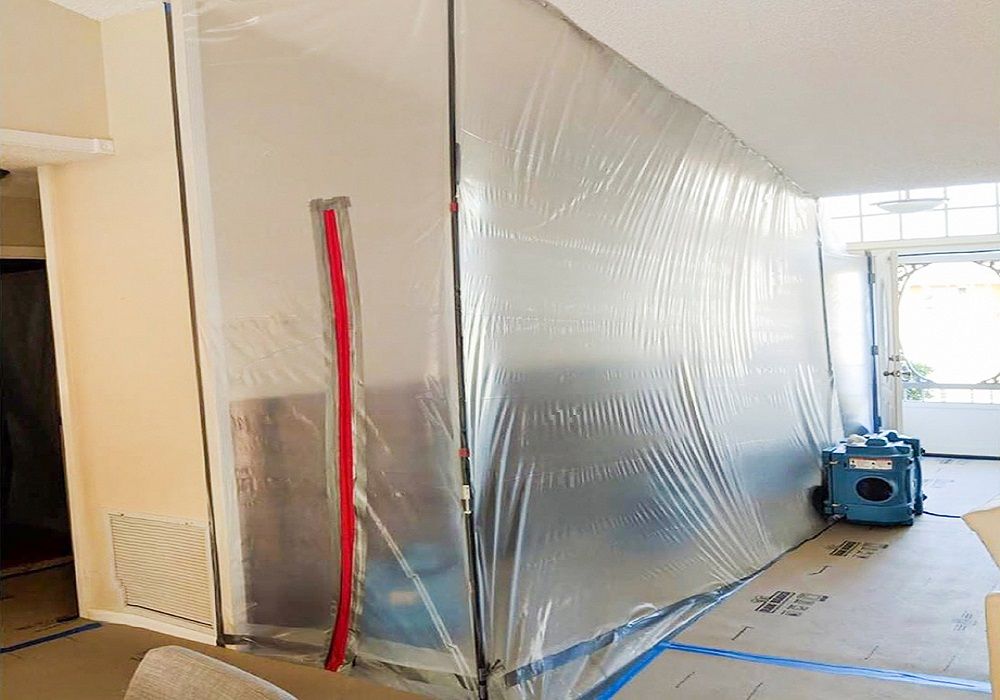
During remediation, mold spores that were previously contained can become airborne, potentially spreading to other areas of your home. Professionals use specialized equipment like HEPA air scrubbers, negative air machines, and containment barriers to minimize this spread. Additionally, the chemicals used for cleaning and prevention can emit strong odors and sometimes harmful fumes.
The remediation process can be noisy, dusty, and disruptive to normal household activities. Workers may need to remove drywall, flooring, or other building materials, creating construction zones within your home. Understanding these realities helps explain why temporary relocation is often recommended, particularly for extensive remediation projects.
- Physical containment barriers to isolate work areas
- HEPA filtration systems to capture airborne spores
- Negative air pressure to prevent cross-contamination
- Antimicrobial treatments to clean and prevent regrowth
- Removal and disposal of contaminated materials
When You Should Leave Your Home During Mold Removal
There are several scenarios where temporarily relocating during mold remediation isn’t just recommended—it’s essential for your health and safety. The most critical situations include those involving toxic mold varieties, large-scale infestations, or remediation methods using strong chemicals. In these cases, the risks of staying far outweigh the inconvenience and cost of temporary housing.
Most professional remediation companies will strongly advise against occupying your home during extensive mold removal. This recommendation isn’t made lightly—it comes from understanding the real health risks posed by both the mold itself and the remediation process. When professionals suggest you leave, it’s important to take this advice seriously.
Black Mold and Other Toxic Varieties
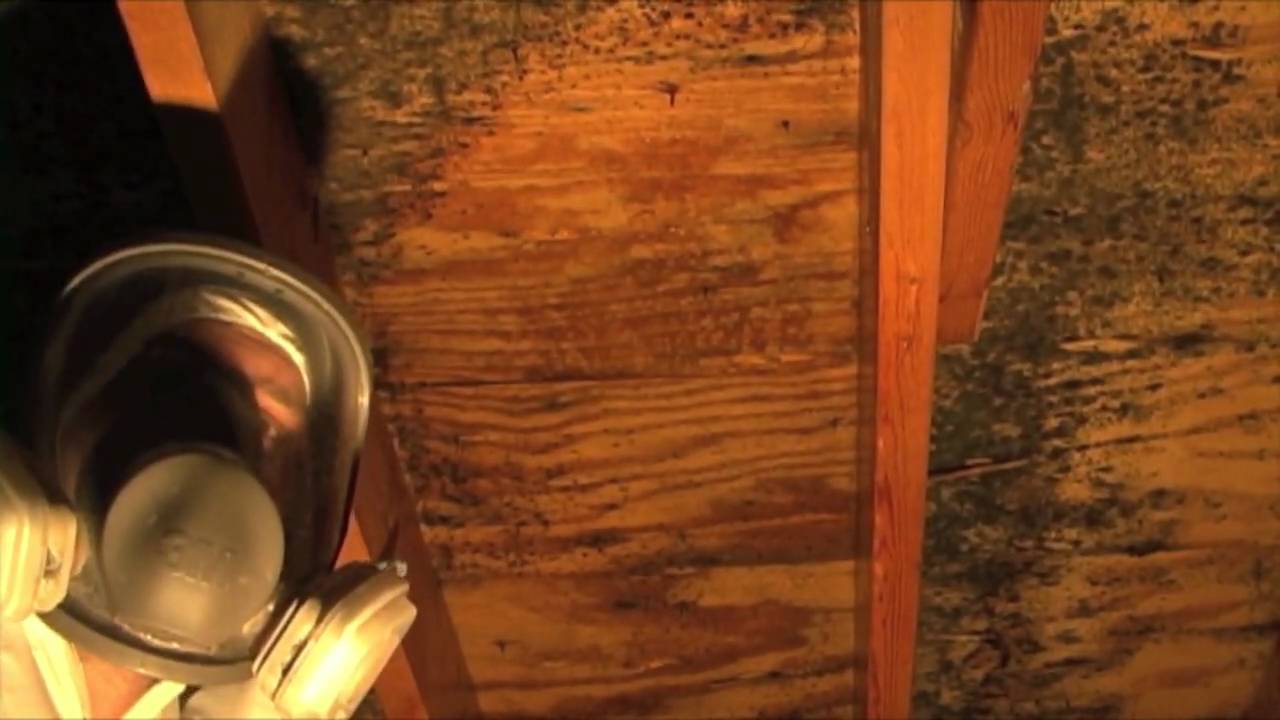
Black mold (Stachybotrys chartarum) and certain other mold species produce mycotoxins that can cause serious health problems when inhaled or touched. These toxic substances can trigger respiratory issues, neurological symptoms, and immune system responses even in otherwise healthy individuals. During remediation of toxic mold varieties, these mycotoxins become more concentrated in the air as the mold is disturbed.
Even with proper containment, the risk of exposure to these harmful substances increases significantly during the removal process. For homes with confirmed toxic mold varieties, temporary relocation is strongly recommended for all occupants regardless of their current health status. The potential long-term health impacts from exposure during remediation simply aren’t worth the risk.
Toxic Mold Warning Signs
If your remediation company identifies any of these mold types in your home, strongly consider temporary relocation during the removal process:These varieties are known to produce mycotoxins that can cause significant health problems with extended exposure.
Large-Scale Infestations Affecting Multiple Rooms
When mold growth affects multiple areas of your home, the remediation process becomes more complex and disruptive. Large-scale infestations often indicate a systemic moisture problem that has allowed mold to spread throughout your house. In these cases, remediation may require extensive demolition, multiple containment zones, and whole-house air quality management that makes normal living virtually impossible.
Remediation Methods Using Strong Chemicals
Some mold situations require the use of strong biocides, fungicides, or encapsulants that emit powerful fumes. These chemicals, while effective at eliminating mold, can cause respiratory irritation, headaches, dizziness, and other health issues even in people without pre-existing conditions. When remediation plans include these strong chemical treatments, temporarily vacating your home provides necessary protection from these potentially harmful substances.
Chemical treatments often need time to dry and off-gas after application. Returning too soon after these treatments can result in unnecessary chemical exposure. Your remediation contractor should provide clear guidance on when it’s safe to return based on the specific products used and the ventilation capabilities of your home.
Cases Where Staying Home Is Possible
While many mold remediation scenarios require temporary relocation, there are situations where staying in your home may be a reasonable option. Understanding these exceptions can help you make an informed decision about whether to relocate or remain during the remediation process. The key factors typically include the size of the affected area, the effectiveness of containment systems, and the duration of the project.
Even in these cases, it’s crucial to consult with your remediation professional about your specific situation. What works for one household may not be appropriate for another, especially if family members have varying sensitivity levels to mold or remediation chemicals.
Small, Contained Areas of Mold Growth
When mold growth is limited to a single, small area (typically less than 10 square feet), professional mold remediation may be possible without requiring you to vacate your home. These smaller infestations can often be effectively contained and treated without significant disruption to the rest of your living space. Examples might include a bathroom corner, a window sill, or a small section of basement wall where moisture has caused limited mold growth.
The key factor here is how effectively the affected area can be isolated from the rest of your home. If proper containment barriers can be established and maintained throughout the remediation process, the risk of cross-contamination to your living spaces can be minimized to acceptable levels.
Proper Containment Systems in Place
Professional remediation companies employ sophisticated containment systems that, when properly implemented, can effectively isolate work areas from the rest of your home. These systems typically involve plastic sheeting barriers, negative air pressure, and HEPA filtration that together create a sealed environment where remediation can occur safely without contaminating adjacent living spaces.
When containment systems are properly designed and executed, they can reduce the risk of mold spore and chemical exposure to levels that make continued occupancy feasible. This is particularly true for remediation projects affecting non-essential areas of your home, such as a spare bedroom, garage, or basement that can be completely sealed off from your main living areas.
For these containment systems to be effective, they must remain intact throughout the remediation process and be properly dismantled after completion. Your remediation contractor should be able to explain their containment protocols and how they’ll ensure these systems protect your occupied spaces.
Limited Duration Projects (1-2 Days)
Short-term remediation projects that can be completed within 1-2 days often pose less risk than extended projects that drag on for weeks. The brief exposure window, combined with proper containment, can make staying in your home during remediation a practical option for many households. These quicker projects typically involve less extensive demolition and fewer opportunities for containment failures that could expose you to mold or chemicals.
When remediation can be completed quickly, the cost-benefit analysis often favors staying in place rather than incurring temporary housing expenses. However, even for short-duration projects, those with respiratory sensitivities should still consider temporary relocation as a precautionary measure.
Health Risks to Consider Before Making Your Decision
The decision to stay or leave during mold remediation should always prioritize your family’s health. Mold exposure during remediation can pose significant health risks, particularly for vulnerable individuals. Understanding these risks is essential for making an informed decision that protects everyone in your household.
Even healthy individuals can experience adverse reactions to elevated mold spore levels and remediation chemicals. These effects may not appear immediately but can develop over time with continued exposure. Taking a cautious approach is generally advisable, especially if the remediation will last more than a few days.
Who Needs to Leave: Children, Elderly, and Those with Respiratory Issues
Certain groups face significantly higher risks from mold exposure during remediation and should almost always temporarily relocate regardless of the size or scope of the project. Young children have developing immune systems and respiratory tracts that make them more vulnerable to mold-related illness. Their higher respiratory rates and proximity to the floor (where mold spores often settle) further increase their exposure risk.
Elderly individuals typically have naturally weakened immune responses and may have underlying health conditions that make them more susceptible to mold-related complications. Those with pre-existing respiratory conditions such as asthma, COPD, or allergies should also avoid remaining in a home during mold remediation, as even minimal exposure can trigger serious symptom flare-ups.
Immunocompromised individuals face perhaps the greatest risk, as their bodies lack the normal defense mechanisms needed to fight off mold-related infections. This includes people undergoing chemotherapy, organ transplant recipients, those with HIV/AIDS, and individuals taking immunosuppressive medications. For these individuals, temporary relocation during remediation isn’t just recommended—it’s essential for their safety.
Mold Exposure Symptoms to Watch For
If you choose to remain in your home during remediation, being vigilant about potential symptoms of mold exposure is crucial. Early warning signs often include nasal congestion, throat irritation, coughing, wheezing, eye irritation, and skin rashes. More serious symptoms may include headaches, difficulty concentrating, fatigue, shortness of breath, and in severe cases, fever and lung infections. These symptoms often worsen with continued exposure and may become more pronounced during active remediation when spore levels are elevated.
How Mold Remediation Companies Keep You Safe
Professional mold remediation companies employ multiple strategies and technologies designed to protect both their workers and home occupants during the remediation process. Understanding these safeguards can help you evaluate whether a remediation company is taking adequate precautions to protect your health, especially if you’re considering staying in your home during the process.
Containment Methods and HEPA Filtration
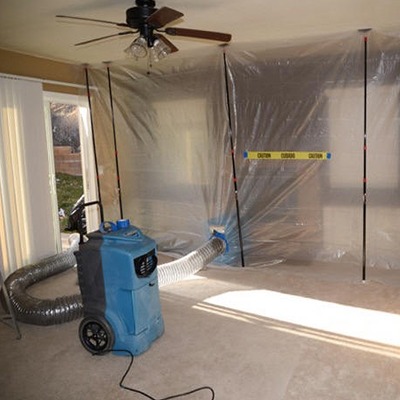
The foundation of safe mold remediation is proper containment of the affected area to prevent cross-contamination. Professional remediation teams create containment zones using heavy-gauge plastic sheeting and specialized tape to seal off work areas from the rest of your home. These physical barriers are designed to keep mold spores and remediation debris contained within the work zone rather than spreading throughout your living spaces.
Working hand-in-hand with physical containment is HEPA (High-Efficiency Particulate Air) filtration. HEPA air scrubbers continuously filter the air in the containment zone, capturing 99.97% of particles as small as 0.3 microns—including mold spores. These powerful filtration systems dramatically reduce airborne contamination within the work area and help prevent spores from escaping to other parts of your home.
Negative Air Pressure Techniques
Creating negative air pressure within the containment zone is another critical safety measure used by professional remediation companies. This technique involves using specialized equipment to ensure air flows into the containment area rather than out of it. By maintaining lower air pressure inside the work zone compared to the rest of your home, any air leaks that do occur will pull clean air in rather than allowing contaminated air to escape.
Negative air pressure is typically achieved using negative air machines that exhaust filtered air outside your home through sealed ductwork. This creates a constant one-way airflow that significantly reduces the risk of cross-contamination. When properly implemented, you should be able to see the containment barriers slightly bowing inward, indicating that negative pressure is being maintained.
Protective Equipment for Workers and Residents
Professional remediation technicians use personal protective equipment (PPE) including respirators, gloves, eye protection, and full-body coveralls to protect themselves during the remediation process. If you’re staying in your home during remediation, the company may recommend similar protective measures when you need to pass near work areas. At minimum, they should provide guidance on avoiding unnecessary exposure and maintaining a safe distance from active remediation zones. For more information, you can read about staying in your home during mold remediation.
Partial Occupancy Options During Remediation
In some situations, a middle-ground approach may be possible where you partially occupy your home during remediation. This typically involves creating distinct “clean zones” and “work zones” with strict protocols for moving between them. This approach requires careful planning and rigorous adherence to safety procedures to be effective. It works best in larger homes where affected areas can be completely isolated from living spaces.
Setting Up Living Zones Away From Work Areas
Creating temporary living arrangements in portions of your home far from the remediation site can sometimes allow for partial occupancy during the process. This approach works best when the mold is confined to a specific area that can be completely sealed off from the rest of your home. For example, if mold remediation is occurring in your basement, you might be able to safely occupy the second floor of your home, provided proper containment and air quality monitoring are in place.
The viability of this approach depends largely on your home’s layout and HVAC system. Ideally, you want maximum separation between living spaces and work zones, with no shared ventilation pathways that could transport contaminants. Your remediation contractor can assess whether your specific situation allows for safe partial occupancy.
Temporary Sealing of HVAC Systems
HVAC systems can quickly spread mold spores throughout your entire home if not properly addressed during remediation. Professional remediation companies will typically seal off all vents and returns in the containment area and may recommend shutting down your entire system during the most disruptive phases of remediation. For partial occupancy to be safe, your HVAC system may need to be temporarily modified to serve only the clean living zones while being completely isolated from work areas.
In some cases, supplemental air filtration or temporary climate control may be necessary to maintain comfort in your living zones while the main HVAC system is partially offline. These considerations become particularly important during extreme weather when heating or cooling is essential for comfortable occupancy.
What to Do Before the Remediation Team Arrives
Whether you’re staying or leaving during remediation, proper preparation can help protect your belongings and make the process more efficient. Start by removing personal items, furniture, and fabrics from the affected areas and adjacent spaces. These items can absorb mold spores and remediation chemicals if left in place. For items that can’t be moved, ask your remediation team about proper protection methods.
If you’re planning to stay during remediation, prepare clean living areas as far from the work zone as possible. Stock these areas with essentials you’ll need during the remediation period to minimize trips through or near contaminated spaces. Consider setting up temporary kitchen facilities if your main kitchen will be inaccessible during the process. For more information, you might want to explore whether you can stay in your home during mold remediation.
Preparing Your Belongings
Porous items like upholstered furniture, mattresses, clothing, and paper products can easily absorb mold spores and may be difficult or impossible to fully decontaminate. Remove these items from affected areas before remediation begins. Items that have already been contaminated with mold may need professional cleaning or replacement. Non-porous items like glass, metal, or sealed wood can typically be cleaned and sanitized effectively.
Create an inventory of any valuable items in the remediation area and discuss with your contractor how these will be protected or whether they should be relocated before work begins. Take photos of the affected areas before remediation starts, both for your records and potentially for insurance purposes.
Creating a Temporary Living Plan
If you’ll be relocating during remediation, develop a clear plan for your temporary living arrangements. Consider factors like proximity to work and school, pet accommodations, and access to essential services. For shorter remediation projects, staying with friends or family might be practical, while longer projects may require a hotel or short-term rental. Discuss the expected timeline with your remediation contractor so you can plan accordingly.
If you’ll be staying in your home during remediation, create a day-by-day plan that accounts for work schedules, school attendance, meal preparation, and other essential activities. Identify potential challenges like bathroom access or kitchen limitations and develop workarounds before remediation begins. Having a clear plan can significantly reduce stress during an already challenging situation.
Questions to Ask Your Remediation Company
Before making your final decision about staying or leaving, ask your remediation contractor specific questions about your situation. Important inquiries should include the exact containment methods they’ll use, how they’ll monitor air quality during the process, what chemicals will be employed, and their professional recommendation regarding occupancy. Ask for their assessment of the health risks specific to your situation and whether they would recommend that family members with certain health conditions temporarily relocate even if others stay.
Cost vs. Safety: Making the Right Decision for Your Family
The financial implications of temporary relocation during mold remediation can be significant, especially for longer projects. Hotel costs, restaurant meals, and other related expenses can quickly add up. However, these costs must be weighed against the potential health impacts of remaining in a home during active mold remediation. The decision ultimately comes down to balancing financial considerations with health and safety priorities.
For many families, the best approach is to prioritize the safety of vulnerable family members while minimizing costs where possible. This might mean having only those at highest risk relocate while healthier family members remain, or finding cost-effective temporary housing options like staying with relatives or finding short-term rentals rather than extended hotel stays.
Calculating Temporary Housing Expenses
When budgeting for temporary relocation during mold remediation, consider all potential expenses beyond just lodging. These may include increased food costs from dining out, transportation expenses if your temporary location is further from work or school, pet boarding fees if your temporary housing doesn’t allow animals, and storage costs for belongings that need to be removed from your home. Some remediation companies may offer assistance with calculating these expenses or can provide average relocation timeframes based on similar projects.
Insurance Coverage for Displacement
Many homeowners insurance policies include “loss of use” or “additional living expense” coverage that may help cover the costs of temporary housing when your home is uninhabitable due to a covered peril. Whether mold remediation qualifies depends on your specific policy and the cause of the mold. If the mold resulted from a sudden, accidental event like a pipe burst that is covered by your policy, related remediation and temporary housing costs may be covered.
Contact your insurance provider early in the process to understand your coverage options and any documentation requirements. Keep detailed records of all expenses related to your temporary relocation, as these will be necessary for any insurance claims. Some insurance companies may have preferred vendors or maximum reimbursement amounts for temporary housing, so clarify these details before making arrangements.
When It’s Safe to Return After Mold Remediation
After remediation is complete, don’t rush to return until the property has been properly cleared. Professional remediation companies should conduct post-remediation verification testing to confirm that mold levels have been reduced to normal background levels. This typically involves air sampling both inside and outside your home to compare spore counts. Some companies also use moisture meters to verify that affected areas are sufficiently dry to prevent immediate regrowth. Only return when you have clear confirmation that the remediation was successful and all chemicals used in the process have had sufficient time to dissipate.
Frequently Asked Questions
Homeowners facing mold remediation often have similar questions about the process and its implications for their living arrangements. These answers to common questions may help clarify additional concerns about staying in your home during mold removal. Remember that every situation is unique, and your remediation professional can provide guidance specific to your circumstances.
How long does a typical mold remediation process take?
Most residential mold remediation projects take between 3-7 days to complete, depending on the extent of the infestation and the size of the affected area. Simple remediation of a single room might be completed in 1-2 days, while extensive mold problems affecting multiple rooms or requiring significant structural repairs can take weeks. Your remediation contractor should provide a specific timeline for your project based on a thorough inspection of the affected areas.
Will my homeowner’s insurance cover mold remediation costs?
Insurance coverage for mold remediation varies widely depending on your specific policy and the cause of the mold. Most policies cover mold remediation only when it results from a “covered peril” like a burst pipe, appliance failure, or storm damage. Mold resulting from long-term humidity issues, poor ventilation, or deferred maintenance is typically excluded. Review your policy carefully and contact your insurance provider early in the process to understand your coverage options and requirements for documentation.
Can pets stay in the home during mold remediation?
Pets should generally be relocated during mold remediation for several reasons. Animals, especially dogs and cats, can easily disturb containment barriers and track contaminants throughout your home. Additionally, pets may be even more sensitive than humans to mold spores and remediation chemicals due to their smaller size and different respiratory systems. For their safety and to maintain effective containment, arranging temporary accommodations for pets during remediation is strongly recommended.
How do I know if the mold remediation was successful?
Successful mold remediation should be verified through post-remediation testing performed by a qualified professional. This typically involves air sampling to confirm that mold spore counts inside your home have been reduced to normal background levels comparable to outdoor air. Visual inspection should confirm that all visible mold has been removed, affected materials have been properly cleaned or replaced, and the underlying moisture issue has been corrected. Some homeowners choose to hire an independent third party to perform this verification rather than relying solely on the remediation company’s assessment.
Additionally, you should notice an improvement in indoor air quality and a reduction in any mold-related symptoms after successful remediation. The absence of musty odors is another good indicator that the remediation was effective. Continued monitoring of previously affected areas for several months can help ensure that the mold problem doesn’t return.
Can I do mold remediation myself instead of hiring professionals?
Small mold problems (less than about 10 square feet) on hard, non-porous surfaces can sometimes be safely addressed by homeowners using proper cleaning methods and personal protection. However, larger infestations, mold on porous materials like drywall or carpet, or situations involving toxic mold varieties should always be handled by certified professionals. DIY remediation attempts on significant mold problems often lead to incomplete removal and wider contamination by disturbing mold colonies without proper containment, potentially creating a more dangerous and expensive problem.
Professional remediation companies have specialized equipment, training, and experience that allows them to safely and effectively address mold problems while minimizing health risks and preventing cross-contamination. The additional cost of professional remediation is generally justified by the improved outcomes and reduced health risks compared to DIY approaches.
When facing a mold problem in your home, prioritizing health and safety should always be your primary concern. While staying in your home during remediation may be possible in certain limited circumstances, temporary relocation is often the safest choice, particularly for vulnerable family members. Work closely with qualified remediation professionals to develop a plan that addresses your specific situation and protects everyone in your household.